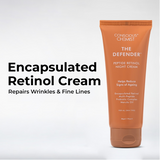
Defender Multi Peptide Retinol Night Anti Ageing Cream
Rs. 499
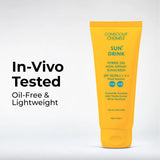
Sun Drink Oil Free Sunscreen
Rs. 399
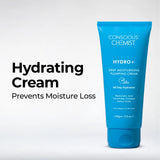
Hydro+ Multi Hyaluronic Acid Moisturiser
Rs. 399
Search
The Silent Killer: Why Winter Sun Hurts Your Skin More
Written by: Conscious Chemist
|
|
Time to read 4 min
On most cold mornings, the sun feels harmless. It warms your hands, makes the walk outside easier, and never feels strong enough to worry about.
And still, by late afternoon, your face feels tighter than usual. Dry patches appear. It’s easy to blame the season: the heater, the wind, the lack of moisture in the air.
But a lot of this comes from something we don’t expect: winter sun
Why Winter Sun Is More Harmful
Winter throws us off because there’s no heat attached to the sunlight we’re exposed to. And for most of us, heat is what signals “danger.”
But UV doesn’t behave that way, and that’s where the confusion begins.
UVA Rays Don’t Take a Winter Break
In summer, you feel the sun because UVB rays are strong, the ones that burn, tan, and make your skin feel hot. These drop in winter, which is why the sun seems softer.
UVA, however, barely changes.
These are the rays that:
cause patchy skin
worsen dryness
speed up aging
pass through clouds and windows
Because there’s no heat attached to them, you don’t feel the damage happening. It builds slowly in the background, something you notice only when your skin starts acting up.
Another reason winter UVA hits harder is because we drop our guard. Hats, scarves, jackets become part of the routine, sunscreen does not.
Most people go through winter with bare, unprotected skin thinking, “It's cold, what’s the worst that could happen?”
But UVA exposure continues daily, on morning walks, in the car, near windows, even when it's cloudy or foggy.
That constant, low level exposure is exactly what leads to long term dryness, dullness, and sensitivity.
Dry Winter Air Makes UV Damage Worse
Winter air works against your skin from the start.
Outside air has very little moisture.
Indoor heating dries it even more.
Cold wind pulls water from the skin quickly.
Your skin begins winter already dehydrated, or at least more vulnerable than usual.
When UV slips in on top of this, you start seeing very typical patterns:
cheeks feel rough
redness lasts longer
dry patches keep returning
marks heal slowly
skin looks tired halfway through the day
A lot of people think, “My skin just hates winter”
But winter doesn’t work alone. It teams up with UVA to create dryness you can’t fix with moisture alone.
Even if you’re drinking more water, using thicker creams, adding oils, nothing fully works if UV is still sneaking in every day and undoing the effort.
Your Barrier Is Already Weak in Winter
Your skin barrier constantly reacts to changes outside. Winter stretches it thin.
When the barrier isn’t at its best:
UV gets in more easily
moisture escapes faster
irritation shows up quicker
breakouts take longer to settle
That’s why winter breakouts feel more stubborn. Your skin may not even be oilier…just more reactive.
And because your barrier is stressed, even small things, a new product, a scratchy scarf, a hot shower, feel harsher than they normally would.
Winter isn’t only about dryness.
It’s dryness + UV + a tired barrier + slower recovery working together.
This combination is what creates the “winter skin effect” most people experience every year without realising sunlight is part of it.
Signs Winter Sun Is Affecting Your Skin
You might not see the dramatic effects like peak summer, but winter shows up in its own quiet ways:
skin feels tight even after moisturizing
redness around the nose and cheeks
lips always feel dry
unexpected tanning
pigmentation patches staying longer
Most of these are early signs of a barrier that has been pushed beyond its comfort zone.
Something many people notice but don’t question: Your face can feel fine in the morning and completely depleted by evening.
That mid day crash in hydration is often linked to UVA, not just dryness.
If you’ve ever felt like your moisturiser “stopped working” in winter, UVA is usually one of the reasons.
How to Protect Your Skin From Winter Sun (Without Changing Your Full Routine)
You don’t need a new 10 step routine for winter.
Just one smart change.
Make Sunscreen Your First Layer of Moisture
Yes! In winter too. A hydrating sunscreen does three things at once:
adds moisture
locks in hydration
blocks UVA
This one step alone prevents a lot of winter dryness.
Winter SPF isn’t about “avoiding a tan.”
It’s about preventing the slow damage you don’t feel happening.
Reapply (but make it doable)
Sunscreen fades faster on dry skin, which is why reapplication matters more in winter.
But the real problem? Most people don’t want to reapply sunscreen over dry patches or makeup.
A lightweight, non sticky formula changes everything. You can add a thin layer in the afternoon without your skin feeling heavy or greasy.
Look for Winter Friendly Sunscreens
Not every sunscreen works for winter. Here’s your checklist for what to tick off when choosing a winter formula:
A Sunscreen That Works With Your Winter Skin, Not Against It
Winter skin needs two things at once:
✔ hydration ✔ strong UVA protection
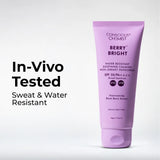
Berry Bright is designed to deliver both without feeling sticky or greasy, exactly what dry, cold weather calls for.
Why it fits the season:
✔ Broad-spectrum SPF 50 PA++++ Great for the UVA that stays strong all winter.
✔ Ultra hydrating formula Comforting without heaviness.
✔ Non comedogenic + suits sensitive skin Doesn’t irritate. Friendly for sensitive skin.
✔ Sits well under makeup No flaking or patchiness.
✔ Berry antioxidants for added winter glow Helps with dull, tired winter skin.
Practical Winter Sunscreen Tips
Apply like a morning moisturiser
Use enough for full coverage
Reapply near windows
Pair with moisturiser on dry days
Do not skip on cloudy days
These small habits make the biggest difference in winter.
Ready to Protect Your Winter Skin?
Your skin doesn’t get a break in winter, so your sunscreen shouldn’t either.
If dullness, dryness, or redness show up every cold season, start here: