


It’s frustrating, isn’t it? You finally get rid of a breakout, only for it to return in the exact same spot. The same bump on your chin, the same sore patch along your jawline, the same stubborn mark that never seems to stay gone.
You’ve been careful, changed your cleanser, maybe even overhauled your skincare routine, yet somehow that one area keeps betraying you.
If that sounds familiar, you’re not alone. And you’re not doing anything wrong. Recurring pimples in the same place are incredibly common, and they can feel unfairly persistent.
The truth is, they’re rarely about bad hygiene or the “wrong” product. They’re usually the result of what’s happening beneath your skin: oil glands, hormones, and tiny habits that keep reactivating the same pore.
The good news is that once you understand what’s driving those repeat breakouts, you can stop them for good. Let’s unpack the science behind why this happens and how to finally break the cycle.
The Real Reasons Behind Same-Spot Breakouts
Clogged pores that never fully heal
Every pore connects to an oil gland. When excess sebum, dead skin, and bacteria build up, that follicle becomes clogged and inflamed. If it doesn’t heal completely, it remains vulnerable — which is why breakouts often reappear in the same exact spot.
What makes pores prone to repetition:
-
Incomplete healing from a previous breakout
-
Overactive oil glands in the same area
-
Bacteria that linger inside the follicle
-
Over-cleansing or harsh drying that weakens the skin barrier
According to Greatist, blocked pores that refill with oil and bacteria can lead to recurring lesions when the same follicle is re-infected. If your skin produces more oil around your chin, jawline, or T-zone, those areas are natural repeat offenders.
Hormonal patterns that trigger repetition
Hormones, especially androgens, directly influence how much oil your glands produce. During stress or parts of your menstrual cycle, these hormones spike — stimulating the sebaceous glands and leading to clusters of breakouts along the jawline and chin.
Common hormonal breakout zones:
-
Jawline and chin (linked to androgen and hormonal fluctuations)
-
Sides of the mouth (linked to cortisol and stress)
Research cited by Women’s Health confirms that jawline acne is closely connected to androgen activity, which drives oil flow in those specific areas. Recognizing your hormonal rhythm helps you act early instead of reacting later.
Habits and friction that re-ignite inflammation
Sometimes the trigger isn’t internal — it’s behavioral. Constant friction, heat, or bacteria can re-irritate the same spot before it fully recovers. This is known as acne mechanica, a form of acne caused by pressure or rubbing.
Common culprits:
-
Resting your chin on your hand
-
Pressing your phone against your cheek
-
Tight helmet straps, masks, or collars

Skincare.com notes that repeated friction traps heat and oil against the skin, preventing proper healing.
Try breaking these habits:
-
Avoid touching your face throughout the day
-
Disinfect your phone screen regularly
-
Change pillowcases every few days
-
Cleanse gently after sweating or wearing masks
By addressing oil flow, hormonal balance, and daily friction, you stop the cycle at its root — so the same spot doesn’t keep coming back.
How Sulphur + Azelaic Acid Regulate Oil and Bacterial Growth
Mechanism of Sulphur
Sulphur is a long-standing dermatological active used for acne because of its keratolytic, antibacterial, and sebum-regulating effects. It helps break down the outer layer of keratin, loosening dead skin cells and clearing blocked pores.
At the same time, sulphur exhibits antimicrobial properties that reduce populations of Cutibacterium acnes, one of the main bacteria involved in acne lesions.
By drying active pimples and minimizing surface oil, sulphur alters the environment where acne bacteria thrive, lowering the chance of reinfection.
Its oil-control ability also prevents follicular congestion, making it an effective foundation for managing both active and recurrent acne.
Mechanism of Azelaic Acid
Azelaic Acid (AzA) provides a scientifically proven triple mechanism: comedolytic, antimicrobial, and anti-inflammatory (PMC + 1). It normalizes abnormal keratinization, helping pores shed dead cells efficiently and stay unblocked.
AzA also inhibits microbial protein synthesis, limiting the growth of C. acnes and Staphylococcus epidermidis. In addition, it reduces pro-inflammatory cytokines in the skin, visibly decreasing redness and swelling.
This combination of actions allows Azelaic Acid to target the entire acne pathway — from pore blockage and bacterial overgrowth to lingering inflammation — all while being gentle enough for sensitive or barrier-compromised skin.
Why They Are Suited for Recurring-Spot Prevention
Recurring pimples often occur when the same pore stays chronically imbalanced: oil glands remain overactive, bacteria recolonize the follicle, and inflammation never fully resolves. Sulphur and Azelaic Acid together interrupt this feedback loop.
-
Sulphur absorbs excess sebum and reduces bacterial load at the surface.
-
Azelaic Acid keeps the follicle clear, suppresses microbial regrowth, and calms inflammatory signals.
By regulating oil and bacteria while soothing inflammation, the skin’s internal environment stabilizes and the same follicle is less likely to reactivate.
This synergistic approach forms the basis of the Conscious Chemist Acne Spot Protector Gel. Its optimized ratio of Sulphur and Azelaic Acid delivers targeted antimicrobial action while maintaining skin comfort. Regular use helps normalize oil flow, minimize bacterial persistence, and allow complete repair, breaking the repeat-breakout cycle over time.
A Preventive Routine That Keeps Recurrence Away
Recurring acne requires consistency, not aggression. A few mindful steps can make all the difference.
Step 1: Treat early
Apply a thin layer of Acne Spot Protector Gel as soon as you feel a bump forming. Acting early halts the breakout before bacteria multiply.
Step 2: Support the skin barrier
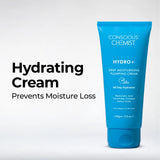
Hydration is your defense. Use a lightweight, non-comedogenic moisturizer to balance oil production and strengthen the barrier.
Step 3: Protect daily
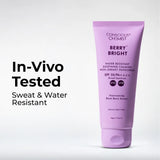
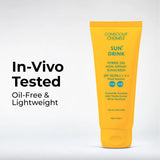
Sunscreen is essential. UV exposure darkens post-acne marks, making old spots look “new” again. Try Berry Bright SPF 50 PA++++, which shields without clogging pores.
Step 4: Reassess habits
Small daily triggers add up. Clean your phone, wash pillowcases, and avoid leaning your face on your hands. These changes protect your progress.

Where It Happens and Why
|
Location |
Likely Cause |
What to Try |
|
Chin & Jawline |
Hormonal surges |
Manage stress, spot-treat early, use calming actives |
|
Cheeks |
Phone contact or pillow bacteria |
Sanitize screens, change pillow covers |
|
Hairline |
Product buildup |
Cleanse thoroughly, use lightweight hair products |
|
Around mouth |
Friction or toothpaste irritation |
Avoid harsh ingredients, cleanse gently |
Take Control of Your Skin’s Rhythm
Clear skin isn’t about perfection. It’s about understanding how your skin behaves and supporting it with ingredients that work with its biology.
If you’re ready to stop the same breakouts from returning, start with the right science-backed care.
The Conscious Chemist Acne Spot Protector Gel combines Sulphur and Azelaic Acid in a dermatologist-formulated balance that regulates oil, fights bacteria, and calms inflammation — exactly what recurring spots need.
Pair it with Berry Bright Sunscreen SPF 50 PA++++ each morning to shield healing skin and keep pigmentation away.
FAQs
Q. Why do I keep getting a pimple in the same spot?
The same pore remains partially clogged or inflamed, so it keeps reopening.
Q. Is it hormonal if my jawline breaks out every month?
Yes. Hormonal fluctuations can cause predictable monthly flare-ups along the jawline.
Q. Can habits like my phone or pillowcase cause this?
Yes. Friction and bacteria from daily contact often reactivate the same pores.
Q. How does azelaic acid help?
It prevents clogged pores, calms inflammation, and fades marks for complete healing.
Q. Should I use spot treatment before a pimple appears?
If you feel a bump forming, treat early to prevent inflammation from escalating.
Q. Does moisturizer matter for acne-prone skin?
Absolutely. Hydrated skin regulates oil better and heals faster.
Q. Do I really need sunscreen?
Yes. It prevents UV-triggered pigmentation and post-acne marks.
Q. When should I see a dermatologist?
If the same spot keeps recurring or feels painful and deep, professional evaluation helps rule out cystic acne.

Share:
Overnight Acne Fixes That Actually Work: Science, Not Myths
Stress Acne Is Real: Here’s How to Treat and Calm It Fast