


Most people choose a sunscreen based on their skin type and how it feels after application. But the experience is not always consistent.
Let’s look at 3 common scenarios:
-
Scenario 1: Someone with oily skin may choose a lightweight, gel-based sunscreen. It feels light at first, but it can leave a greasy shine after a few hours.
-
Scenario 2: Someone with dry skin may prefer a creamy, lotion-based sunscreen. It feels nourishing but may not blend well, leaving a visible white cast.
-
Scenario 3: Someone with combination skin may have an oily T-zone and dry cheeks. They often switch between formulas and still feel unsatisfied.
Across all three cases, the concern is not just protection. It is also about how the sunscreen feels and performs throughout the day.
Choosing between very lightweight or very rich formulas can feel limiting. This is where hybrid sunscreens come in. Hybrid sunscreen with chemical and mineral filters offers both performance and comfort. Their balanced texture aims to offer a middle ground that works well for a range of skin types.
In this guide, you will learn what hybrid sunscreens are, how they work, and why they can be a practical choice for everyday sun protection across skin types.

Mineral & Chemical Sunscreens: What These Labels Mean?
Before choosing a sunscreen, it helps to understand what minerals and chemicals actually refer to. These terms describe the type of UV filters used in a formula.
Quick Definitions in Simple Terms
A. Mineral Sunscreens:
-
Mineral sunscreens are sunscreens that use inorganic filters.
-
These use zinc oxide and titanium dioxide as their active ingredients.
-
They sit on the surface of the skin and help reflect, scatter, and absorb UV rays.
-
They are known for offering broad-spectrum protection.
B. Chemical Sunscreens:
-
Chemical sunscreens are sunscreens that use organic filters.
-
These contain ingredients such as avobenzone, octinoxate, and octocrylene.
-
They absorb UV rays and convert them into heat, which is then released from the skin.
Both types are effective and protect from UV damage. They just work differently and feel different on the skin.
Why Some Mineral Sunscreens Leave a White Cast or Feel Heavy?
Mineral sunscreens can sometimes leave a visible white layer on the skin. This happens due to how the filters perform:
-
A larger particle size can reflect visible light
-
High concentration of mineral filters increases opacity
-
Poor dispersion can make the formula look uneven
This effect can be more noticeable on medium to deep skin tones. Some formulas may also feel thicker or less spreadable.
Modern formulations use better dispersion techniques and tinting to reduce this effect. However, a slight trade-off in texture or finish may remain.
Why Do Some Chemical Sunscreens Sting Eyes or Feel Greasy?
Not all chemical sunscreens feel the same. The experience depends on the full formula, not just the filters.
-
Eye stinging often happens when the product moves into the eyes due to sweat or rubbing
-
Certain solvents or filter combinations may increase sensitivity
-
Heavier cream bases can feel greasy, especially on oily skin
At the same time, many chemical sunscreens use gel or fluid bases that feel light and absorb quickly. The key point is that texture and comfort vary widely based on formulation.
|
Key Insight: Minerals and chemicals describe the types of UV filters used, not whether a sunscreen is safe or unsafe. The best sunscreen is the one you can apply generously and reapply consistently. |
What is a Hybrid Sunscreen and Why Brands Blend UV Filters?
A hybrid sunscreen combines mineral filters, such as zinc oxide or titanium dioxide, with chemical filters, such as avobenzone or octocrylene, in a single formula.
It is not a strict or regulated category in every market. It is a formulation approach that brands use to balance performance and comfort.
When these are combined, the formula can deliver strong protection while still feeling light and comfortable on the skin. That is the core idea behind hybrid sunscreens. Balance protection with better wear.
Why Blending SPF Filters Improves Everyday Wear?
Using a mix of filters helps improve how sunscreen feels and performs through the day.
-
Mineral filters alone can sometimes look visible or feel thick
-
Chemical filters alone can sometimes feel greasy or migrate with sweat
-
A blend helps balance these issues
This makes the sunscreen easier to apply, more comfortable to wear, and less likely to be skipped or under-applied.

|
Key Insight: A hybrid sunscreen offers strong SPF and UVA protection in a single product. |
Why Sunscreen Formulation is More Important than the Label?
Not all hybrid sunscreens perform the same. The final result depends on how well the formula is designed.
-
According to research, stabilizing or encapsulating UV filters can improve performance and durability under sun exposure.
-
Another study highlights how formulation techniques impact stability and effectiveness.
This means that the term 'hybrid' alone does not guarantee better protection. The way the filters are combined and stabilized matters more.
What do Clinical Studies Tell about Mixing Different UV Filters?
Combining filters is useful, but it needs to be done carefully.
Research shows that certain combinations, such as zinc oxide with specific organic filters, can reduce UVA protection over time if the formula is not properly stabilized.
In testing, some mixtures showed an 84.3% to 91.8% drop in UVA protection after two hours of UV exposure.
Common Sunscreen Concerns and How to Fix Them?
Apart from UVA & UVB protection, every sunscreen issue usually comes down to how it looks, feels, or wears on your skin.
Here are the common sunscreen concerns and how can you fix them:
Issue 1: White Cast and Flashback
White cast is more common in mineral-heavy sunscreens, especially on medium to deep skin tones.
Why it happens:
-
Mineral filters can reflect visible light
-
Higher concentration increases opacity
-
Poor blending can make it look uneven
What to do:
-
Look for labels like no white cast or sheer finish
-
Choose gel-based or well-dispersed formulas
-
Consider tinted options if suitable
-
Test on your jawline in natural daylight before buying
Issue 2: Texture and Oil Control
The base of the sunscreen plays a big role in how it feels on your skin.
How it affects you:
-
Gel textures feel lighter and less greasy
-
Creams feel richer and more hydrating
-
Dewy finishes suit dry skin
-
Matte finishes suit oily or combination skin
What to do:
-
For oily skin, choose lightweight gels or fluid emulsions
-
For dry skin, choose cream-based or hydrating formulas
-
For combination skin, look for balanced gel-cream textures
A good texture makes sunscreen easier to layer under makeup and more comfortable for daily wear.
Issue 3: Eye Sting and Sweat Movement
Eye irritation is a common concern, especially in humid conditions.
Why it happens:
-
Sunscreen can move with sweat or oil
-
Certain ingredients may irritate sensitive eyes
What to do:
-
Apply sunscreen slightly away from the lash line
-
Let it sit for 10 to 15 minutes before stepping out
-
Choose water-resistant formulas if you sweat easily
This helps reduce movement and improves overall comfort.
Issue 4: Wear Time and Reapplication
Even the best sunscreen will not last all day without reapplication.

What affects wear time:
-
Sweat and humidity
-
Touching or rubbing the face
-
Natural oil production
What to do:
-
Apply a sufficient amount during the first application
-
Reapply every 2 hours when outdoors
-
Reapply after sweating or towel drying
Water resistance helps the sunscreen stay on longer, but it does not replace reapplication.
|
Key Insight: If your sunscreen does not perform well in real life, it is usually because the film breaks down due to sweat, friction, or time, or because you applied too little. Comfort and reapplication matter just as much as the SPF number. |
Mineral, Chemical or Hybrid Sunscreen: Which Sunscreen Fits Your Needs?
Every sunscreen works differently. This quick comparison helps you understand which type works best based on what matters most to you.
|
If you care most about... |
Mineral (Zinc Oxide, Titanium Dioxide) |
Chemical (Organic Filters) |
Hybrid (Mineral + Chemical) |
|
Minimal white cast |
Low |
High |
High |
|
Lightweight feel |
Medium |
High |
High |
|
Eye comfort |
High |
Medium |
Medium |
|
Outdoor durability |
High |
Medium |
High |
|
Daily wear comfort |
Medium |
High |
High |
How to Read a Sunscreen Label and Choose the Right Hybrid SPF?
Choosing a sunscreen becomes much easier when you know what to look for on the label. This section will help you identify common UV filters and pick a hybrid sunscreen that suits your skin and routine.
How to Read a Hybrid Sunscreen Ingredient List?
The following table includes some of the most common filters and what they generally do:
|
Filter Name on Label (INCI) |
Type |
What It Does |
|
Zinc Oxide |
Mineral |
Provides broad UVA and UVB protection |
|
Titanium Dioxide |
Mineral |
Provides UVB and partial UVA protection |
|
Avobenzone |
Chemical |
Provides primary UVA protection |
|
Octinoxate |
Chemical |
Provides effective UVB protection |
|
Octocrylene |
Chemical |
Provides UVB protection and acts as a stabilizer |
|
Key Insight: A hybrid sunscreen will usually include at least one mineral filter along with one or more chemical filters. |
A Simple Checklist to Choose a Hybrid Sunscreen
Before buying, look for these key points:
-
Broad-spectrum protection with SPF 50 and PA++++
-
Comfortable texture that suits your skin type
-
Minimal or no white cast on your skin tone
-
Water-resistant if you spend time outdoors or sweat easily
-
Layers well under makeup without pilling
-
Non-comedogenic if you are acne-prone
Who Should Choose a Hybrid Sunscreen?
Hybrid sunscreens are a good choice if:
-
You want a lightweight feel without greasiness
-
You struggle with white cast in mineral sunscreens
-
You have oily or combination skin
-
You want a balance between comfort and protection
You may prefer a mineral-only sunscreen if:
-
You have very sensitive eyes
-
You want a simpler filter system
Berry Bright Sunscreen: A Lightweight Hybrid Sunscreen for Daily Protection
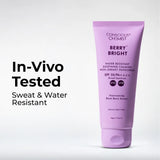
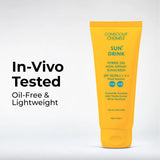
The Berry Bright Sunscreen SPF50 PA++++ by Conscious Chemist is a hybrid sunscreen. It uses a combination of mineral and chemical UV filters. It is lightweight, non-greasy and leaves no white cast.
Its SPF 50 PA ++++ formulation includes 1% niacinamide for skin brightening and antioxidants for barrier protection.
This non-comedegenic sunscreen is suitable for all skin types for daily use.
Frequently Asked Questions
-
Is hybrid sunscreen better than mineral or chemical sunscreen?
Not always. Hybrid sunscreen simply means it uses both mineral and chemical UV filters. It can offer better texture and reduced white cast, but performance depends on how well the formula is designed.
-
Is hybrid sunscreen safe for daily use?
Yes, hybrid sunscreens are designed for regular use. If you have sensitive skin, it is best to patch test first and choose a formula that feels comfortable on your skin.
-
Can hybrid sunscreen work for oily or acne-prone skin?
Yes, many hybrid sunscreens come in lightweight gel or fluid textures and are labeled non-comedogenic. They can feel breathable and less greasy compared to heavier formulas.
-
Why does my sunscreen sting my eyes?
Eye stinging usually happens when sunscreen moves into the eyes due to sweat, oil, or rubbing. Applying slightly away from the lash line and letting it set can help reduce this.
-
Do I still need to reapply if my sunscreen is water-resistant?
Yes, water resistance helps the sunscreen stay on longer, but it does not last all day. Reapply every 2 hours when outdoors and after sweating or towel drying.
-
What does SPF 50 PA++++ mean?
SPF 50 refers to protection against UVB rays, which cause sunburn. PA++++ indicates strong protection against UVA rays, which contribute to tanning and skin aging. Both are important for broad-spectrum protection.
Share:
Matte Sunscreen for Oily Skin: Benefits, Mistakes, and How to Choose
How to Choose a Sunscreen with No White Cast for Indian Skin Tones?