

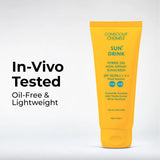

No one really talks about this, but sunscreen can feel uncomfortable on oily skin. You apply it before going out, and within minutes, your face starts to feel sweaty. That clean, just-applied feeling does not last. By the time you reach your destination, your face is already shiny.
We understand the struggle. You want proper sun protection, but you also want your skin to feel fresh and comfortable through the day.
So what is the solution? Is matte sunscreen good for oily skin? Matte sunscreen can help control shine and blend better into oily skin. But not every formula works the same way or delivers the results you expect.

In this article, you will learn the benefits of matte sunscreen, common mistakes to avoid, and how to choose a non-greasy sunscreen for oily skin.
What Is Matte Sunscreen for Oily Skin?
Matte sunscreen is a type of sunscreen that reduces surface shine and gives your skin a non-greasy finish. It is designed to absorb or control excess oil, so your skin looks more balanced rather than glossy.
Unlike regular sunscreens, which can leave a dewy or shiny layer, matte sunscreens aim to dry down to a smoother, more shine-free finish. If you are wondering which sunscreen is best for oily skin in India, matte sunscreen is the most dependable choice.
However, matte does not mean one single finish. Different formulas behave differently on the skin, and that is where most of the confusion starts.
Why Oily Skin Prefers Matte Sunscreen
Oily skin produces excess sebum, which can make sunscreen feel heavier and shinier than it is. Matte sunscreen helps reduce that surface oil and makes the skin feel less sticky.
This usually leads to:
-
Less visible shine during the day
-
A lighter skin feel
-
Better makeup hold
-
Easier reapplication
|
Key Takeaway: When sunscreen feels comfortable, you are more likely to use it consistently. |
What is the Difference Between Soft Matte and Flat Matte Sunscreens?
Not all matte sunscreens give the same result. The finish can vary based on the formula. That’s because even in matte sunscreen, there are two types: Soft-matte and flat-matte.
Here are the key differences:
-
Soft-matte
-
Controls oil without drying the skin
-
Looks natural and smooth
-
Feels comfortable throughout the day
-
Flat-matte
-
Feels dry or tight after application
-
Looks dull or powdery
-
Can highlight pores and dry patches
Please note: If your skin feels tight or starts looking uneven, the sunscreen is likely too drying for your skin type.
Quick Self Check: Is Your Skin Oily or Dehydrated?
Many people think they have oily skin. But your skin may also lack hydration, which changes how matte sunscreen reacts on your skin.
Look for these signs:
-
Skin feels oily but tight after cleansing
-
Makeup looks shiny and flaky at the same time
-
Sunscreen pills around certain areas
-
T-zone looks oily, but cheeks feel dry
If you notice these signs, your skin is oily and dehydrated. In this case, very matte sunscreens can make your skin feel worse instead of better.

Soft-Matte or Flat-Matte: Which Sunscreen Formula You Should Choose?
The following table will help you choose a sunscreen based on your skin type and concerns:
|
If your sunscreen feels or looks like… |
You are likely experiencing… |
Try this instead |
|
Smooth, natural, and shine-controlled skin |
Balanced oil control |
Continue with soft-matte formulas |
|
Tight or dry skin immediately after application |
An over-drying formula |
Switch to soft-matte with light hydration |
|
A patchy, cracked, or flaky finish |
Dehydration paired with a matte formula |
Add hydration and apply in thin layers |
|
Makeup that looks uneven or cracked |
Too many mattifying layers |
Simplify the routine and reduce layering |
|
Key Takeaway: For very oily skin, a soft-matte sunscreen that controls shine without making your skin feel tight or patchy usually works best. |
How to Select the Right Sunscreen for Oily Skin?
Modern technology allows for sunscreens that are both effective and pleasant to wear. You do not need to settle for a chalky or heavy product. Knowing what to look for on a label helps you make a better purchase.
Here’s a list of signs to follow to make your sunscreen selection process easier:
Cue 1: Check the Texture in the First 10 Seconds
The way a sunscreen feels right after application tells you a lot.
Look for this:
-
Spreads easily on the skin
-
Feels light, not heavy or greasy
-
Sets quickly without dragging
-
Does not leave a powdery or chalky layer
-
Does not cling to dry patches
Textures that usually work well:
-
Gel
-
Water-gel
-
Gel-cream
-
Hybrid gel
If it feels smooth and settles well, it will likely stay comfortable through the day.
Cue 2: Look for These on the Label
Do not overthink labels. Focus on the basics:
-
Broad-spectrum protection
-
SPF 30 to 50+
-
Non-comedogenic
-
PA rating for UVA protection
-
Water-resistant if you sweat or stay outdoors
Matte-finish sunscreens commonly range from SPF 30 to SPF 50+.
Cue 3: Choose Ingredients That Feel Comfortable
A good matte sunscreen should control oil without making your skin feel dry.
Look for:
-
Lightweight hydrating ingredients
-
Skin-supporting ingredients like niacinamide or ceramides
Avoid formulas that feel too powdery or overly dry. They may look good at first, but they can make your skin look patchy later.
Cue 4: Pick the Right SPF Filter Type
You will usually see three types of sunscreens:
-
Mineral sunscreen
-
Can feel heavier
-
May leave a white cast
-
Chemical sunscreen
-
Feels lighter
-
Blends easily
-
Hybrid sunscreen
-
Combines both
-
Balances texture and protection

Choose the one that feels easiest to wear and reapply. That is what will work long term.
|
Key Takeaway: For very oily skin, focus on lightweight, non-greasy, easy-to-reapply formulas rather than a completely matte-finish sunscreen. |
How to Apply Matte Sunscreen for Oily Skin Without Pilling or Cracking?
Once you have a checklist for choosing the right lightweight, non-greasy sunscreen for oily skin, the next step is to build a routine.
Follow these steps to avoid pilling, patchiness, or that heavy feeling.
Step 1: Prep Your Skin Properly
Start with a clean base, but do not over-dry your skin.
-
Use a gentle cleanser
-
Apply a light hydrating serum or gel moisturizer on damp skin
-
Wait for about a minute before applying sunscreen
If your skin is very oily, apply moisturizer only where needed, like the cheeks or around the mouth.
This step helps prevent tightness and uneven texture later.
Step 2: Apply the Right Amount
Using too little sunscreen reduces protection. Using too much at once can make it sit unevenly.
-
Follow the two-finger method for the face and neck
-
Apply in thin layers instead of one thick layer
-
Let each layer settle before applying more
Apply sunscreen at least 15 minutes before sun exposure.
|
Recommendation: Make sure you reapply sunscreen every 2 hours when you are outdoors. |
Step 3: Layer Makeup the Right Way
Matte sunscreen can work well under makeup if you keep the routine simple.
-
Let sunscreen sit before applying makeup
-
Avoid layering too many matte products together
-
Skip matte primer if your sunscreen is already matte
-
Use powder only on the T-zone instead of the full face
For reapplication over makeup:
-
Blot excess oil first
-
Press sunscreen into the skin instead of rubbing
-
Apply in light layers to avoid buildup
Step 4: Reapply Without Ruining Your Base
Reapplication is where most routines break.
Keep it simple:
-
Blot oil before reapplying
-
Use a pressing motion instead of rubbing
-
Apply a thin, even layer
If your sunscreen pills easily, your layering or quantity may need adjustment.
Alternate Option: If You Do Not Like Matte Sunscreens
Matte is not the only option for oily skin. If your skin feels tight or looks flat, you can switch to a lighter texture.
In such a situation, you can opt for a gel sunscreen SPF 50 for oily acne prone skin or a hybrid sunscreen with mineral and chemical filters.
A lightweight gel or hybrid sunscreen can:
-
Feels breathable on the skin
-
Avoid heaviness or excess shine
-
Blend easily without a white cast
-
Works better for frequent reapplication
This works especially well if your skin is oily but slightly dehydrated.

Oily Skin AM Routine: How to Use Matte Sunscreen Without Pilling?
Follow this simple AM routine to apply matte sunscreen smoothly and prevent pilling on oily skin:
|
Step |
Best Practice for Very Oily Skin |
Common Mistakes to Avoid |
|
Cleanser |
Use a gentle, non-stripping cleanser to remove overnight oil. |
Using harsh, drying soaps that trigger more oil production. |
|
Hydration |
Apply a light gel moisturizer or serum only on dry-prone areas. |
Skipping hydration completely can lead to a tight or flaky finish. |
|
Sunscreen |
Apply the product in two thin, even layers to ensure full coverage. |
Applying one thick glob at once often causes the formula to pill. |
|
Makeup |
Keep base layers minimal and let the sunscreen sit for one minute. |
Stacking too many matte products like heavy primers and foundations. |
|
Reapplication |
Blot excess oil first and press the sunscreen gently into the skin. |
Rubbing the product over makeup or layering without blotting first. |
|
Key Takeaway: A good sunscreen routine for oily skin is not about skipping hydration. It is about using the right texture, applying it correctly, and reapplying without disrupting your skin. |
Best Matte Sunscreen for Oily Skin: Berry Bright Sunscreen
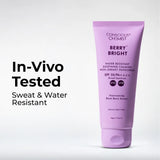
Do you want a sunscreen that feels lightweight on oily skin without a flat matte finish? Check Berry Bright Sunscreen SPF 50 PA++++ by Conscious Chemist
-
It has a hybrid gel texture that feels breathable and non-greasy.
-
It does not leave a white cast and works well for daily use.
-
The formula includes 1% niacinamide and berry antioxidants, which help support the skin over time.
-
It is also non-comedogenic and water-resistant, making it suitable for oily skin that requires regular reapplication.
Frequently Asked Questions
-
Is matte sunscreen always best for oily skin?
No. Matte sunscreen can help control shine, but not all formulas work well for every skin type. Very drying matte sunscreens can make your skin feel tight or look patchy. Many people with oily skin prefer a soft-matte or lightweight gel finish that feels more comfortable.
-
Why does matte sunscreen make my skin look flaky or textured?
This usually happens when the formula is too drying, or your skin lacks hydration. Matte sunscreen can cling to dry areas, making the texture more visible. Use a light hydrating layer before sunscreen and apply it in thin layers.
-
How do I stop sunscreen from pilling under makeup?
Keep your routine simple. Use fewer layers, wait between steps, and press sunscreen into your skin rather than rubbing it in. Also, avoid combining too many matte or silicone-heavy products.
-
Can oily and acne-prone skin use a hybrid sunscreen?
Yes. Hybrid sunscreens often balance protection and texture. Many come in lightweight formulas that suit oily and acne-prone skin. Look for non-comedogenic options and textures that do not feel heavy.
-
Do matte sunscreens protect as well as dewy sunscreens?
Yes. The finish does not affect protection. What matters is broad-spectrum coverage, using the right amount, and reapplying sunscreen regularly.
-
What should I use if I do not like matte sunscreen?
Choose a lightweight gel or hybrid sunscreen. These feel breathable, do not add extra oil, and give a more natural finish. You can also control shine by applying a small amount of powder only on the T-zone.
Share:
How to Choose the Best SPF 50 for Oily Skin: A Complete 2026 Buying Guide
A Complete Guide to Hybrid Sunscreen for Every Skin Type