


Not all peptide essences are suitable for sensitive skin.
Irritation is usually not caused by peptides themselves, but by added fragrance, harsh actives, or layering too many products at once.
Choosing the right formula comes down to three things: ingredient profile, formulation, and how it fits into your routine.
A well-formulated peptide essence should hydrate, support the skin barrier, and improve texture without causing redness or discomfort.
How Does Peptide Essence Work for Sensitive Skin?
A peptide essence for sensitive skin is a lightweight, water-based step used after cleansing and before moisturizer. It helps hydrate the skin, support the barrier, and deliver gentle actives like peptides without feeling heavy or overwhelming.
|
When layering your routine, follow the dermatology rule: Apply products from the thinnest to the thickest texture. This allows better absorption and reduces the risk of pilling or irritation. |
A simple placement looks like this:
Cleanse → Peptide Essence for Sensitive Skin → Moisturizer → SPF.

How Do Peptides Support Skin Without Causing Irritation?
Peptides are short chains of amino acids.
They are used in skincare to support firmness, elasticity, and the appearance of fine lines over time. Unlike exfoliating acids, peptides are generally non-irritating and, when formulated well, do not cause peeling or stinging.
Things a Peptide Essence for Sensitive Skin Can Improve Over Time
When used consistently, it may help:
-
Improve skin hydration and reduce tightness
-
Support smoother skin texture
-
Reduce the appearance of fine lines gradually
-
Improve skin comfort and reduce reactivity
-
Support overall barrier strength
Things a Peptide Essence Will Not Do Overnight
Setting expectations helps avoid disappointment:
-
It will not erase deep wrinkles instantly
-
It will not replace sunscreen
-
It will not fix a damaged barrier overnight
-
It will not work if irritation continues daily
-
It will not replace medical treatments
|
Key Takeaway: A peptide essence should feel calming and hydrating first, while supporting long-term improvements in skin texture and fine lines. |
How to Choose a Peptide Essence for Sensitive Skin?
Before buying any peptide essence for sensitive skin, a quick checklist helps avoid common mistakes.
|
Check |
Why it matters for sensitive skin |
Good sign on the label |
|
Fragrance-free |
Reduces irritation risk |
No perfume/fragrance |
|
Barrier support |
Improves tolerance |
Niacinamide, allantoin |
|
Lightweight texture |
Easier layering |
Water-based formula |
|
Minimal actives |
Reduces overload |
Simple ingredient list |
Why Fragrance-Free Peptide Essence Matters for Sensitive Skin?
Fragrance is one of the most common triggers.
Ingredients listed as parfum, essential oils, or aromatic extracts can irritate reactive skin. Even products labeled unscented may still contain masking fragrance.
What Ingredients Should Be Paired with Peptides for Better Results?
Peptides perform best when supported by complementary ingredients:
-
Humectants (e.g., Sodium Hyaluronate): Boost hydration and help the skin retain moisture
-
Soothing agents (e.g., Allantoin): Calm the skin and reduce the risk of irritation
-
Barrier-supporting ingredients (e.g., Niacinamide): Strengthen the skin barrier and improve overall balance
5 Signs a Peptide Essence Is Suitable for Sensitive Skin
A good product shows these characteristics:
-
Does not sting on application
-
Absorbs quickly without heaviness
-
Leaves skin feeling hydrated, not tight
-
Does not trigger redness over time
-
Works well with a simple routine
Why Does Texture Matter When Choosing a Peptide Essence?
Texture affects tolerance.
Lightweight formulas allow layering without buildup. Heavier or alcohol-heavy formulas may feel “active” and increase irritation risk.
Research shows peptides are present in around 17% of products marketed for sensitive skin, highlighting their growing use in gentle formulations.
|
Key Takeaway: For sensitive skin, a peptide essence works best when it combines peptides with hydration and barrier-supporting ingredients in a fragrance-free formula. |
What Ingredients To Avoid in a Peptide Essence for Sensitive Skin?
Fragrance may feel pleasant, but it can cause irritation.
Ingredients like limonene, linalool, and essential oils can lead to sensitivity over time. Even if tolerated initially, repeated exposure may increase reactivity.
Why Should Strong Actives Be Used Separately in Sensitive Skin Routines?
Strong actives increase sensitivity.
Acids, high-strength vitamin C, and retinoids are effective but can irritate when combined with multiple products. Using them separately reduces risk.
Common Red Flags in Peptide Essences for Sensitive Skin
Avoiding these reduces irritation risk:
-
Added fragrance or essential oils
-
Alcohol-heavy formulas
-
Multiple strong actives in one product
-
Overly complex ingredient lists
-
Products that cause immediate stinging
Why Does Overloading Products Increase Skin Reactivity?
Introducing multiple products together makes it hard to identify triggers.
Following a one-product-at-a-time approach helps track reactions and maintain a stable routine.
|
Key Takeaway: Avoiding daily irritation matters more than adding stronger actives when building a routine for sensitive skin. |

How To Start Using a Peptide Essence for Sensitive Skin Without Causing Irritation?
Before introducing a new product, this simple plan reduces risk.
|
Day/Week |
What to do |
What to watch for |
|
Day 1 |
Patch test |
Redness, itching |
|
Week 1 |
Use 2–3 nights |
Mild tingling |
|
Week 2 |
Alternate nights |
Comfort level |
|
Week 3 |
Daily use |
No irritation |
How To Patch Test a Peptide Essence Correctly?
Patch testing prevents reactions.
Apply a small amount to the inner forearm and wait 24 hours. If no irritation appears, proceed slowly. For very sensitive skin, repeat behind the ear for additional safety.
What Is the Best Way to Introduce a Peptide Essence Gradually?
Start slow. Using the peptide essence for sensitive skin 2–3 times a week allows the skin to adjust. Increasing frequency gradually reduces the chance of irritation.
What Should Be Done If Skin Reacts to a New Product?
If irritation appears, simplify.
Stop using the product, return to a basic routine, and reintroduce later if needed. Persistent irritation may require avoiding the product completely.
|
Key Takeaway: Introducing a peptide essence slowly with patch testing helps reduce irritation and improve long-term results. |

How To Care for Sensitive Skin While Targeting Early Aging?
Choosing the best peptide essence for sensitive skin depends on simplicity and consistency.
Fragrance-free formulations with barrier-supporting ingredients help maintain calm skin while supporting gradual improvements in texture and fine lines.
Over time, a routine focused on hydration and gentle care delivers better results than using multiple strong actives. Choosing a formulation that supports daily use without irritation becomes essential.
Where a Peptide Essence Fits in Your Daily Skincare Steps?
A structured routine improves consistency.
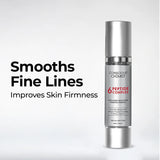
The Conscious Chemist 6 Peptide Booster Complex works as a fragrance-free peptide essence for sensitive skin, combining:
-
6-peptide complex for long-term support
-
Sodium hyaluronate and allantoin for hydration
-
Niacinamide for barrier support
Apply after cleansing, follow with moisturizer, and increase usage gradually after a patch test.
Frequently Asked Questions
1. Are peptide essences safe for sensitive skin?
Yes, peptides are generally considered gentle and supportive. However, tolerance depends on the full formula, so patch testing is still important.
2. Why does a gentle peptide essence still sting sometimes?
Stinging usually comes from the overall formula, such as fragrance or alcohol, or from a compromised skin barrier rather than the peptides themselves.
3. Can peptide essence be used with retinol or acids?
Yes, but it is better to introduce them separately. Alternating usage helps reduce irritation while maintaining benefits.
4. How long does it take to see results from peptides?
Hydration improves quickly, but visible improvements in fine lines and firmness require several weeks of consistent use.
5. What is the best way to apply a peptide essence?
Use a small amount, pat gently onto the skin, and follow with moisturizer. Avoid rubbing aggressively.
6. Is fragrance-free the same as unscented?
No, fragrance-free means no added fragrance, while unscented products may still contain masking agents.

Share:
How to Pick an Anti-Aging Essence for Dry Sensitive Skin?
What is the Difference between Fine Lines and Wrinkles, and How to Treat Them?