





How to Prevent Blackheads From Returning?
You started using a toner for blackheads. Maybe you even found what feels like the best blackhead remover for quick results. And yet, the same pores clog again. So you are left wondering: does toner remove blackheads or just reduce them temporarily?
What Does It Mean When Blackheads Keep Returning?
The truth is, blackheads return for a reason. And once you understand that cycle, everything changes. If blackheads clear and then reappear in the same spots, your skin isn’t being difficult. Your pores are simply doing their job. Understanding that changes everything.

Blackheads Are Open Comedones, Not Dirt
- A blackhead is an open comedone: a pore filled with sebum (oil) and dead skin cells.
- When exposed to air, this mixture oxidizes and turns dark; the color isn’t dirt.
- Over-scrubbing doesn't fix the issue because you are managing oil and cell turnover, not surface grime.
- Sebaceous filaments are normal oil channels that refill quickly and are part of the skin's structure.
- Blackheads are clogged plugs, and treating both the same way often leads to irritation without improvement.
Why They Return So Quickly
- Pores continuously produce oil, and the lining constantly sheds cells.
- When oil and dead skin accumulate faster than they’re cleared, a new plug forms.
- Extraction removes what’s visible today but doesn’t slow tomorrow’s buildup.
- Even the best blackhead removal methods provide only temporary clarity if the refill persists.
- A toner for blackheads helps maintain pore clarity over time. The goal is control, not elimination.
When It May Be More Than Blackheads
- Recurring blackheads are common and usually manageable with consistent care.
- Painful inflammation, deep cysts, or sudden severe adult-onset acne may signal a broader condition.
- Widespread scarring or rapidly worsening breakouts deserve medical evaluation.
- For most people, recurrence isn’t about hygiene; it’s about maintenance.
- If blackheads persist, focus on identifying what continues to refill the pore rather than escalating intensity.
5 Reasons Your Blackheads Keep Refilling
If blackheads keep returning, especially across the nose and chin, the issue usually isn’t finding the best blackhead removal solution. It’s identifying what continues to refill the pore in the first place.

1. When Oil Production Outpaces Clearance
Oily skin isn’t inherently problematic. However, humidity, hormonal fluctuations, and stress can increase sebum production. When excess oil combines with lingering dead skin inside the pore, it thickens and oxidizes, forming a plug. This is where a well-formulated toner for blackheads becomes essential.
Many people ask, "Does toner remove blackheads?” The right exfoliating toner works by supporting consistent pore turnover, helping reduce buildup before it hardens.
2. When Skin Shedding Becomes Uneven
Blackheads originate within the pore lining. If dead skin cells are not shedding efficiently, congestion accumulates. Overuse of harsh scrubs can disrupt the barrier and stimulate more oil production.
In contrast, gentle chemical exfoliation, meaning controlled concentrations of acids used consistently two to three times weekly, encourages smoother, more predictable renewal.
3. When Products Leave Behind Residue
On heavy sunscreen days or full-makeup days, thicker textures can leave a film on the skin. Some balms, long-wear foundations, and even hair products near the hairline may contribute to congestion if not thoroughly removed. If it leaves a film, it must be removed.
4. When Care Is Inconsistent
Occasional masks or pore strips may offer visible results, but they do not alter the rate at which blackheads form. Even understanding how to use blackhead remover tools won't prevent recurrence if the buildup continues daily.
5. When Lifestyle Factors Reinforce Recurrence
Blackhead relapse is rarely product-related alone. A PubMed study identified higher BMI, smoking, alcohol use, depression/anxiety, and poor eating habits as risk factors for acne recurrence, while weekly pillowcase replacement showed a protective effect.
If blackheads keep returning, it’s usually because the pore is refilling faster than your routine clears oil and dead skin, so intensity matters less than consistency.
The Blackhead Refill Trigger Diagnostic Table
|
What You Notice |
Likely Trigger |
What to Do This Week |
|---|---|---|
|
Blackheads return quickly on the nose/chin |
Excess oil and sticky sebum buildup |
Add or maintain a gentle chemical exfoliant 2–3 nights this week |
|
Skin feels rough even after cleansing |
Dead-skin congestion |
Replace harsh scrubs with controlled chemical exfoliation |
|
More clogs after sunscreen/makeup days |
Product residue/incomplete removal |
Double cleanse on heavy sunscreen or makeup days |
|
Clear for a few days, then clogged again |
Inconsistent routine |
Stick to the same exfoliation schedule for 4 weeks straight |
|
Skin feels irritated, then breaks out |
Over-exfoliation or barrier stress |
Pause actives 3–7 days; focus on hydration before restarting |
|
Oilier than usual during stress or humidity |
Hormonal or environmental oil increases |
Keep exfoliation steady; avoid adding multiple new actives |
|
Congestion along the hairline |
Occlusive hair products |
Cleanse hairline thoroughly; avoid heavy styling residue |
The Daily Routine That Prevents Blackhead Buildup
Clearing blackheads isn’t about doing more. It’s about doing the right things consistently, long enough to outpace the refill.

Step 1: Cleanse Properly
AM: A gentle cleanse is optional unless you wake up very oily.
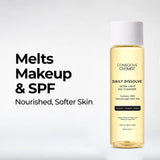
PM: Cleanse thoroughly. On sunscreen or makeup days, double cleanse. Start with an oil or balm to dissolve residue, then follow with a gentle water-based cleanser. If it leaves a film, it must be fully removed.
Step 2: Exfoliate With Purpose
Chemical exfoliation helps loosen dead skin cells lining the pore and reduce congestion. Start 2–3 nights per week. Avoid stacking multiple strong actives on the same night. Slow and steady improves tolerance and results.
Step 3: Moisturize to Prevent Rebound Oil
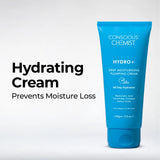
Overstripping can increase oil production and cause irritation. Use a lightweight, non-greasy moisturizer daily. Hydrated skin tolerates exfoliation better and is less prone to inflammation.
Step 4: Wear SPF Daily
Exfoliation increases sun sensitivity. Apply sunscreen every morning and reapply if outdoors. This prevents irritation, picking, and post-acne marks that restart the cycle.
How often is enough?
- Exfoliate 2–4 times weekly based on tolerance.
- Focus on hydration on rest nights.
- Commit for 6–8 weeks.
A blackhead-proof routine is: thorough cleansing + consistent, gentle chemical exfoliation + barrier-friendly moisturization + daily sunscreen, applied long enough to outpace the refill cycle.
A Beginner-to-Regular Exfoliation Guide
|
Goal |
Exfoliant Nights |
Recovery Nights |
Notes |
|---|---|---|---|
|
Beginner (New to chemical exfoliation) |
2 nights/week (e.g., Mon, Thu) |
5 nights |
Focus on moisturizer and barrier repair on off nights |
|
Early Progress (Weeks 3–4) |
3 nights/week (e.g., Mon, Wed, Fri) |
4 nights |
Monitor for irritation before increasing frequency |
|
Regular Maintenance |
3–4 nights/week (based on tolerance) |
3–4 nights |
Do not stack with strong retinoids or other acids initially |
|
Sensitive / Barrier Recovery |
1–2 nights/week |
5–6 nights |
Increase slowly only if there is no stinging, peeling, or redness |
How to Know Your Blackhead Removal Routine is Working?
Clearer pores are built through patterns, not quick fixes. The goal isn’t daily perfection, it’s measurable improvement over time.
Weekly Check-In to Track Blackheads
Put the magnifying mirror away. Instead, take photos of your nose and chin weekly under the same lighting conditions. Notice how your skin feels to the touch.
- Are there fewer new clogs forming?
- Is midday oiliness more controlled?
- Is the texture gradually smoothing?
Evaluate progress at the 4-week mark rather than reacting to daily fluctuations.
Signs You’re Overdoing It
If your skin stings, peels, or feels tight, your routine isn’t working faster; it’s irritated, and irritation can create more congestion over time.
You should pause exfoliants for 3–7 days. Focus on barrier-supportive moisturizing. When skin feels calm again, restart at a lower frequency.
When to Consider Professional Treatment
If blackheads persist or recur within 6–8 weeks of consistent care, professional treatments may be worth discussing.
A systematic review of 160 studies (8,121 patients) reported a median improvement of 56.66% in inflammatory acne with certain photodynamic therapies, though tolerability was often limited by pain or burning. Progress should feel steady, not aggressive.
A Smarter Way to Manage Recurring Blackheads
Once you understand what refills pores, the solution becomes less about aggressive removal and more about steady prevention. The goal is simple: keep pores consistently clear without compromising your barrier.
Why Dual-Action Exfoliation Helps Recurring Blackheads
Blackheads develop both on the surface and within the pore lining. A dual-exfoliation approach works on two levels: one exfoliant helps smooth surface texture, while another helps break down trapped sebum within the pore. Over time, this reduces congestion buildup instead of just clearing what’s visible.
What Makes an Exfoliant “Pore-Friendly”?
For oily and blackhead-prone skin, effectiveness must be balanced with tolerance. Ingredients like Glycolic Acid can help refine texture, while Succinic Acid supports congestion management.
Soothing components such as Witch Hazel and Cica-based complexes can help calm the skin, and added amino acids support hydration, reducing the risk of over-drying.
How to Use It in Your Routine?
- Apply at night after cleansing.
- Use a cotton pad or your hands.
- Start 2–3 times per week and increase gradually if well-tolerated.
- Follow with a lightweight moisturizer.
- Avoid layering with strong retinoids or multiple acids initially.
- Apply sunscreen the next morning.
Who It’s For And Who Should Be Cautious
Best suited for oily, acne-prone, and congestion-prone skin. If your skin is highly sensitive, barrier-compromised, or recently treated with professional peels, patch test and introduce slowly. The fastest way to ‘stop’ recurring blackheads is to keep pores consistently decongested with a gentle exfoliant schedule you can actually maintain.
Change Your PM Decongestion Step
If your blackheads keep reappearing despite consistent cleansing, consider using Conscious Chemist Blackhead Melting Water as your evening exfoliating step. Start with 2–3 nights per week, moisturize after application, and wear SPF daily to maintain results long-term.
Consistency is what keeps pores clear.
Frequently Asked Questions
Why do my blackheads come back no matter what I use?
Pores constantly produce oil and shed cells. If your routine doesn't consistently clear buildup inside the pore lining, plugs reform quickly. Steady cleansing, scheduled exfoliation, and barrier support prevent refill.
Why are blackheads so hard to get rid of?
Blackheads aren’t just a removal issue; they’re a formation issue. Strips and extractions clear today’s plug, but preventing recurrence requires consistent exfoliation and thorough cleansing to slow buildup.
Are blackheads the same as sebaceous filaments?
No. Sebaceous filaments are normal oil structures that refill quickly. Blackheads are clogged, oxidized plugs. Aggressively treating filaments can irritate the skin and increase oil production.
How often should I exfoliate to prevent blackheads?
Start 2–3 nights weekly. If tolerated, increase to 3–4. If you notice stinging, peeling, or tightness, reduce frequency. Over-exfoliating can damage your barrier and worsen congestion.
Do pore strips or vacuum tools help long-term?
They can temporarily improve appearance, but don’t change the formation rate. Use occasionally if desired, but prioritize consistent cleansing and chemical exfoliation for lasting blackhead control.
When should I see results from a blackhead routine?
A smoother texture may appear within two weeks. Noticeable reduction in recurring clogs usually takes 4–8 weeks of consistent care. Track weekly progress rather than checking daily.



Share:
Why Do Blackhead Products Burn? A Guide on How to Avoid Burning & Irritation
Stop Fighting Your Pores: A Long-Term Plan for Nose Blackheads