


A couple of weeks pass after coloring your hair, and something starts to feel different.
Your hair still looks good, but when you brush it or wash it, you notice more strands than before. It feels like your hair is falling more, even though nothing else in your routine has changed.
This is usually when people start looking for a hair growth kit for thinning hair or switching to multiple science-backed hair growth products, hoping to fix the issue quickly.
But in most cases, colored hair does not fall more. It is breaking more.
And unless you address that difference, even the best routine will feel inconsistent.
Why Does Hair Fall in Colored Hair Feel Worse?
How Can You Tell Hair Fall vs Breakage in Colored Hair Quickly?
Before changing products, you need to identify what you are seeing.
When a strand falls from the root, it usually has a small white bulb at one end. When hair breaks, it appears shorter, uneven, and without that bulb. Colored hair tends to show more breakage because the fiber becomes weaker after processing.
This is why hair fall feels worse, even when the root-level shedding has not changed significantly.

What Does Coloring Do to Your Hair Structure?
Hair coloring works by opening the cuticle layer to deposit pigment inside the hair shaft.
While this gives you the desired color, it also changes how your hair behaves. The cuticle becomes less smooth, the hair loses some moisture retention, and the surface becomes more prone to friction.
Over time, this makes strands tangle more easily and snap during everyday handling.
Why Do Daily Habits Increase Breakage After Coloring?
Once the hair structure is altered, daily habits start having a greater impact.
Hot water, aggressive shampooing, rough towel drying, and heat styling all increase friction on an already weakened surface. This friction leads to snapping, which is often mistaken for hair fall.
Even if you are using the best hair growth kit for hair fall or combining multiple treatments, results may not improve if breakage is not controlled first.
|
Key Takeaway After coloring, the most visible hair fall is due to cuticle damage and increased friction, not true hair loss. |
How To Wash Colored Hair Without Increasing Hair Fall or Fading Color?
Why Is the First Wash After Coloring So Important?
After coloring, the cuticle remains slightly open for a while.
This is why hair care guidance by Rev320 recommends waiting at least 48 hours before washing. It allows the color molecules to settle and reduces the chances of early fading.
Washing too soon can disrupt this process and make hair feel drier faster.
What Type of Shampoo Works Best for Colored Hair?
Cleansing needs to be gentle and controlled.
A harsh shampoo can reopen the cuticle, leading to both color loss and increased dryness. This dryness increases friction, which directly contributes to breakage.
Using a gentle cleanser becomes more important than chasing specific “hair fall” claims.
How Often Should You Wash Colored Hair?
Most people benefit from washing 2 to 3 times per week.
If your scalp feels oily or you work out frequently, you can adjust slightly, but overwashing leads to faster fading and dryness. Using lukewarm water instead of hot water helps maintain both color and hair strength.
How Does Hard Water Make Colored Hair Harder to Manage?
Hard water adds another layer of challenge.
Mineral deposits can sit on the hair surface, making it feel rough and dull. This increases tangling and reduces slip, which leads to more breakage during detangling.
Even with hair density-boosting products, hair may appear thinner due to increased snapping rather than actual hair loss.
Before adjusting your routine, this quick checklist helps simplify wash-day decisions.
|
Step |
What to do |
What to avoid |
|
Water |
Use lukewarm water |
Hot water |
|
Shampoo |
Focus on the scalp |
Scrubbing lengths |
|
Cleansing |
Gentle formula |
Harsh surfactants |
|
Drying |
Press gently |
Rubbing with a towel |
|
Key Takeaway Gentle cleansing protects both your hair color and reduces breakage by minimizing cuticle damage. |
How Do Oiling and Leave-In Products Reduce Breakage in Colored Hair?
How Does Pre-Wash Oiling Support Colored Hair?
Pre-wash oiling works as a protective step.
Applying a small amount of oil before washing helps reduce moisture loss and friction during cleansing. This makes hair easier to manage and reduces snapping during washing.
However, the amount matters. Heavy oiling can require stronger cleansing, which can increase dryness and color fading.

Why Is Leave-In Conditioner More Important After Coloring?
After washing, hair is at its most vulnerable state.
This is when a leave-in conditioner for hair fall control becomes essential. It adds slip to the hair surface, making detangling smoother and reducing friction between strands.
Over time, this helps retain length and improves manageability.
How Do Heat and Sun Exposure Affect Colored Hair?
Heat styling and UV exposure both affect the cuticle.
Heat increases dryness and weakens the structure, while UV exposure can fade color and make hair more brittle. Reducing heat frequency and protecting hair outdoors helps maintain both strength and vibrancy.
Why Does Breakage Reduce Visible Hair Density?
When hair breaks along its length, the ends become thinner.
This creates the appearance of reduced density, even if the roots are healthy. This is why managing breakage is as important as managing shedding.
|
Key Takeaway Reducing friction through oiling and leave-in conditioning is the most effective way to control breakage in colored hair. |
How Should You Care for Colored Hair Between Washes Without Causing Buildup?
Why Does Between-Wash Care Matter for Hair Fall?
Hair is constantly under stress.
Sweat, pollution, styling, and friction continue to affect the scalp and lengths between washes. Without support, this can increase breakage and make hair feel weaker.
What Type of Products Work Best Between Washes?
Lightweight products work best.
Heavy oils or thick creams can create buildup, forcing you to wash more often, which increases color fading. Instead, lightweight sprays or serums support the scalp without weighing it down.
What Does a Simple Weekly Routine Look Like for Colored Hair?
Consistency matters more than complexity.
This simple routine helps maintain balance without overloading your hair.
|
Day type |
Scalp care |
Length care |
Extra note |
|
Wash day |
Gentle cleanse |
Leave-in |
Optional oil before wash |
|
Non-wash day |
Light serum/spray |
Minimal styling |
Avoid heat |
|
Active day |
Rinse or light cleanse |
Leave-in refresh |
Keep routine light |
How Should You Track Progress Without Switching Products Too Quickly?
Hair improvement takes time.
Breakage often reduces within 2 to 3 weeks when friction is controlled, while visible density changes take longer. Tracking shedding patterns and hair feel helps you stay consistent instead of switching products too early.

How Does a Structured Routine Help Maintain Both Color and Hair Strength?
Using multiple products randomly can create inconsistency.
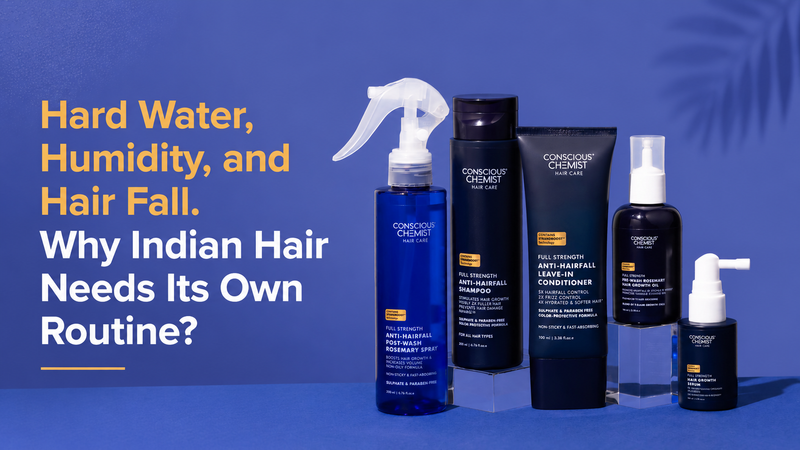
Conscious Chemist’s hair growth kit, designed as a premium hair growth system in India, simplifies this by combining:
-
Pre-wash nourishment
-
Gentle cleansing
-
Breakage control
-
Daily scalp support
This aligns with a natural hair growth kit with actives approach that focuses on consistency rather than intensity.
|
Key Takeaway The best colour-safe routine protects the cuticle, reduces friction, and consistently supports both scalp and strands. |
How Should You Maintain Hair Strength and Color Together Long-Term?
Colored hair does not require aggressive treatments, but it does require consistent care. What often appears as increased hair fall is usually breakage caused by dryness, friction, and improper handling.
If you are using a hair growth kit for thinning hair or relying on science-backed hair growth products, your results improve when your routine supports both the scalp and the hair fiber.
Focusing on gentle cleansing, controlled oiling, and lightweight leave-in protection helps maintain color while reducing breakage. Over time, this improves hair strength, manageability, and perceived density.
How Can You Reduce Breakage While Keeping Your Hair Color Intact?
If your hair feels weaker after coloring, the goal is not to add more products but to reduce friction and improve manageability consistently.
The Conscious Chemist hair growth kit works as a complete hair care kit for hair fall, designed to support both scalp health and strand strength without heavy buildup.
Order now and follow a consistent routine to reduce breakage and maintain your color over time.
Frequently Asked Questions
1. Does coloring cause permanent hair loss or just breakage?
Most hair concerns after coloring are due to breakage, not permanent hair loss. The hair fiber becomes weaker, which leads to snapping during handling.
2. How long should I wait before washing colored hair?
You should wait at least 48 hours. This helps the cuticle close properly and reduces the chances of color fading.
3. Is oiling safe for colored hair?
Yes, when done in small amounts. Over-oiling can lead to excessive washing, which may increase dryness and color fading.
4. What shampoo is best for colored hair?
A gentle, color-safe cleanser that does not strip the hair works best. Harsh shampoos can increase dryness and breakage.
5. Can I use serums and sprays on colored hair?
Yes, lightweight options work well. They help reduce friction and improve manageability without causing buildup.
6. How soon will I see improvement in hair fall?
Breakage can be reduced within a few weeks, while visible density improvements take longer with consistent care.

Share:
How Well Does Rosemary Oil Work for Hair Regrowth?
How Should You Use a Hair Growth Spray Between Washes for Better Results?