


If you have oily or acne-prone skin, sunscreen can feel like a daily struggle. It can look shiny, feel sticky, or even cause breakouts. Many people skip it for this reason. But the problem is not sunscreen itself. It is the kind of formula you use and how you apply it.
The good news is that this is easy to fix. With the right product and a few simple habits, you can protect your skin without dealing with excess oil or discomfort.

This guide will help you choose the best sunscreen for oily skin in India that does not leave a white cast, apply it correctly, and avoid common mistakes.
Why Does Sunscreen Feels Greasy on Oily Skin?
If your sunscreen feels heavy, sticky, or shiny, you are not alone. There are a few common reasons behind this, and understanding them makes it easier to choose the right formula.
Does Sunscreen Feel Greasy Because of a High SPF Number?
Many people assume that a higher SPF automatically means a thicker, oilier sunscreen. That is not true.
SPF 50 does not make sunscreen greasy. It only measures how well the product protects your skin from UVB rays. The texture comes from the formulation, not the SPF level.
In fact, choosing a non-greasy sunscreen for daily use with a high SPF number is important. In a country like India, where sun exposure is strong, SPF 50 offers better everyday protection. The goal is not to avoid higher SPF, but to choose one that feels light and comfortable on your skin.
Does Sunscreen Feel Greasy Because of Your Skin Type?
It is easy to blame oily skin, but your skin is not the problem.
A study by PubMed found that 50.1% of people avoided sunscreen because it made their skin look greasy or oily.
But if your sunscreen feels greasy, it is usually because of how the formula sits on your skin. Certain textures, heavy ingredients, or even layering too many products can make it feel heavier than it actually is.
Heat and humidity also play a big role. In Indian weather, even a decent product can start to feel sticky if it is not designed for oily or combination skin.
This is where choosing a lightweight sunscreen for oily skin in India makes a difference. The right formula absorbs quickly, feels breathable, and does not add extra shine throughout the day.
3 Common Reasons Sunscreen Feels Heavy
If your sunscreen feels greasy, it is usually due to the formula or how it is layered on your skin. Here are the detailed reasons for sunscreens feeling heavy or oily:

-
Heavy oils and emollients: They sit on the skin and create an oily finish.
-
Thick film-formers: These can feel sticky, especially in humid weather.
-
Too many layers: Moisturiser, sunscreen, and makeup together can lead to buildup and shine.
|
Myth: Applying Less Sunscreen Reduces Greasiness Fact: Many people use less sunscreen to avoid shine. This reduces protection and defeats the purpose of SPF. The solution is not to use less. The solution is using the right product. |
How to Choose a Sunscreen for Oily and Acne-Prone Skin?
Choosing the right sunscreen for oily and acne-prone skin in India can completely change how it feels on your skin. Instead of focusing only on SPF, pay attention to texture, finish, and how easily it fits into your daily routine.
What Should You Check Before Buying Sunscreen?
If you want a sunscreen that feels light and non-greasy, look for:
-
Broad-spectrum SPF 50 with PA++++
-
Gel or gel-cream texture
-
Quick absorption
-
Non-comedogenic formula
-
Oil-free or lightweight finish
-
Minimal or no white cast
-
Water resistance for outdoor use
-
Easy reapplication under makeup
This is especially important when choosing a lightweight sunscreen for oily skin in India or one suited for humid weather.
Do Sunscreen Filters Affect How It Feels on Your Skin?
Yes, but not in the way most people think.
Mineral sunscreens can feel thicker and may leave a white cast. Chemical sunscreens are usually lighter. Hybrid sunscreens combine both to balance comfort and protection.
What matters more is how the formula is designed. A well-formulated sunscreen, regardless of filter type, should feel light and comfortable on your skin.
Does Non-Comedogenic Really Matter for Oily Skin?
It helps, but it is not a guarantee.
Non-comedogenic means the product is designed to reduce the chances of clogging pores. However, your skin type, environment, and layering still affect how your skin reacts.
Treat it as a helpful signal, not a promise. Patch testing is still important.
What Ingredients Should You Look For in a Sunscreen for Oily Skin?
Some ingredients can support oily or acne-prone skin without making the sunscreen feel heavy. These are:
-
Niacinamide helps balance oil and improve skin appearance over time
-
Antioxidants help protect against environmental stress
This is why many people prefer a niacinamide sunscreen SPF 50 in India for daily use.
Which Sunscreens to Avoid If You Want a Non-Greasy Finish?
If shine is your main concern, be cautious with:
-
Thick, greasy textures
-
Heavy occlusive bases
-
Strong fragrance if your skin is sensitive
-
Products that do not settle well on the skin
|
Key insight: The best sunscreen is one that feels comfortable enough for daily use and reapplication. |
Non-Greasy Sunscreen Checklist for Oily Skin
Choosing the right sunscreen comes down to a few key details that directly affect how it feels on your skin.
Use this quick checklist to prioritize lightweight, breathable formulas and avoid textures that can lead to a greasy finish.
|
What to Prioritize |
Why it Helps Oily Skin |
What to be Cautious With |
|
Gel or gel-cream texture |
Feels weightless and absorbs quickly without adding grease. |
Thick creams, which can feel suffocating or heavy. |
|
Non-comedogenic formula |
Formulated specifically to reduce the risk of clogging pores. |
Heavy bases or occlusives that may trap sebum. |
|
Oil-free finish |
Helps control midday shine and keeps the skin matte. |
Greasy residues that sit on top of the skin. |
|
No white cast |
Blends seamlessly into the skin for a natural look. |
Heavy mineral formulas (Zinc/Titanium) that can look chalky. |
|
Water-resistant |
Stays put during sweat or outdoor activities. |
Sticky finishes that can feel tacky when mixed with oil. |
How to Apply Sunscreen on Oily Skin for a Shine-Free Finish?
Even the best sunscreens for oily, acne-prone skin can feel greasy if applied incorrectly.
Follow these simple SPF application techniques to make sure your sunscreen doesn’t feel heavy, blends easily and gives full protection:
-
Use the Right Amount of Sunscreen:
-
Use the two-finger method for your face and neck.
-
This ensures you get the level of protection mentioned on the label.
-
Using less to avoid shine may feel better, but it reduces effectiveness.

-
Follow the Correct Order of Application
-
Cleanse your face
-
Use a light moisturizer only if needed
-
Apply sunscreen as the last step
-
Wait 5 to 10 minutes before applying makeup
If your skin gets oily quickly, avoid heavy serums during the day to reduce buildup.
-
Reapply SPF Without Adding Grease:
-
Blot excess oil first
-
Apply sunscreen in thin layers
-
Use a small amount of powder after if needed
Water-resistant sunscreen helps outdoors, but you still need to reapply every two hours.
|
Key insight: Blot first, then reapply. Do not rely on powder alone for protection. |
-
Applying Sunscreen With Makeup:
-
Apply sunscreen in sections
-
Gently press instead of rubbing
-
Keep your base makeup light
-
Blot during the day
Remember that powder can reduce shine, but it does not replace sunscreen.
How to Reapply Sunscreen Without Causing Buildup
Reapplication is where most sunscreens start to feel heavy, especially on oily skin.
This quick guide shows how to refresh your SPF through the day without adding extra shine or disrupting your makeup.
|
Situation |
Step One |
Best Reapplication Approach |
|
At work |
Blot excess oil with a tissue or blotting paper. |
Apply a thin, even layer of sunscreen or use a sunscreen stick. |
|
Outdoors |
Gently remove sweat or dirt with a damp cloth or wipe. |
Reapply a water-resistant sunscreen to maintain protection. |
|
Over makeup |
Perform a light blot to remove surface shine. |
Dab sunscreen on with a sponge or use a powder sunscreen, then set lightly. |
Why Does a Gel-Hybrid Sunscreen SPF 50 Works Best for Oily Skin?
If your sunscreen feels heavy, makes your skin look shiny, or discourages reapplication, the issue is usually the texture. This is where gel-hybrid sunscreens stand out.
They are designed to feel light, absorb quickly, and sit comfortably on oily skin without adding excess grease.
Who Should Use a Gel-Hybrid Sunscreen SPF 50?
A gel-hybrid sunscreen works well if:
-
Your sunscreen feels heavy or sticky
-
Your makeup tends to slide off
-
You notice a white cast
-
You avoid reapplying during the day
-
You prefer a fresh, non-greasy finish
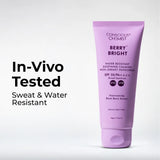
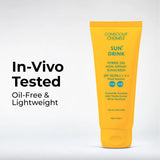
Example: Berry Bright Sunscreen SPF 50 PA++++
Berry Bright Sunscreen SPF 50 PA++++ by Conscious Chemist is designed for oily and acne prone skin.
It includes:
-
Broad-spectrum SPF 50 PA++++ protection
-
Hybrid formula for a balanced, lightweight feel
-
Quick-absorbing gel texture
-
1% niacinamide for skin support
-
Berry antioxidants for daily protection
-
Non-comedogenic and water-resistant
-
Minimal to no white cast
It fits well into a routine where you want a lightweight sunscreen for oily skin in India that feels comfortable enough for daily use and reapplication.
P.S.: A sunscreen that feels light is easier to use daily. That is what makes it effective.
Frequently Asked Questions
-
What type of sunscreen is best for oily or acne-prone skin?
Choose a gel or gel-cream sunscreen with SPF 30-50 and PA++++. It should feel light and absorb quickly.
-
Does being non-comedogenic mean it will not cause breakouts?
No. It reduces the chances but does not guarantee results. Always do a patch test before introducing it to your daily routine.
-
Are mineral sunscreens better for oily skin?
Some people prefer them. They can reduce shine but may feel heavier or leave a white cast.
-
How do I stop sunscreen from making my face shiny?
Use the correct amount, let it set, and blot lightly. Avoid heavy products underneath.
-
Can I use powder instead of reapplying sunscreen?
No. Powder only controls shine. It does not provide enough sun protection.
-
What is a hybrid sunscreen?
It combines chemical and mineral filters. This helps balance protection and texture.
Share:
How Using Sunscreen Every Day Can Prevent Hyperpigmentation?
Matte Sunscreen for Oily Skin: Benefits, Mistakes, and How to Choose