


Neeta, a fitness coach, spends most of her day outdoors. Beach workouts, long hours in the sun, and regular sunscreen use were already part of her routine. Still, she noticed tanning and even mild sunburn. That raised a very real concern. If sunscreen protects the skin, why did this happen?
When she brought this up at one of our offline events, our product team explained that a lightweight, daily-use sunscreen probably isn't useful. That’s because many formulas focus only on UV protection and do not account for how the skin reacts to daily exposure. Factors such as heat, sweat, and prolonged sun exposure can still leave the skin stressed.
That is where ingredients like niacinamide come in. It adds a layer of daily support. It strengthens your SPF formulation by helping the skin stay balanced, resilient, and more even over time.
In this guide, you will understand the role of niacinamide in sunscreen, what 1% can realistically deliver, and how to use it effectively in your routine.

What is Niacinamide and Why Is It Used in Sunscreens?
Niacinamide is a topical form of Vitamin B3. It is a water-soluble vitamin that your body does not produce on its own, so applying it topically provides direct benefits to the skin’s surface. It is not an acid, a bleach, or a quick-fix whitener. Instead, it acts as a stabilizing ingredient that supports your skin's overall health.
What are the Primary Benefits of Niacinamide?
-
Calms Reactive Skin: It supports the skin barrier and reduces the appearance of redness.
-
Balances Oil: It helps regulate sebum production to prevent excessive midday shine.
-
Evens Skin Tone: It interrupts the process that causes dark spots to surface.
So, can niacinamide reduce tanning and pigmentation? Yes, niacinamide provides subtle, long-term support to an SPF formulation. Let’s understand how.
SPF and Niacinamide are a Perfect Match: Here’s Why
UV rays are the main trigger for inflammation and dark spots. While sunscreen blocks these rays, niacinamide helps the skin recover from daily environmental stress. Since you must apply sunscreen every single morning, it serves as a reliable delivery system. This combination ensures your skin receives a steady daily dose of Vitamin B3.
|
Key Takeaway: Niacinamide in sunscreen is less about instant brightening and more about daily maintenance and prevention. |
What Can 1 Percent Niacinamide Realistically Do for Your Skin?
Most people assume that a 1% niacinamide concentration is ineffective. Well, that is not true. A 1% niacinamide sunscreen with SPF 50 works more as a “maintenance dose” for skin protection. Let’s take a deeper look at this:
What Niacinamide in Sunscreen Can Do?
Here’s what to expect from niacinamide sunscreen after consistent use:

What Niacinamide in Sunscreen Cannot Do?
The following are a few concerns that a 1% niacinamide in sunscreen cannot help with:

Niacinamide in Sunscreen: Realistic Results and Timeline
Consistency is the most important factor when using niacinamide. You should expect gradual improvements rather than overnight miracles.
-
Weeks 2-4: You may notice your skin feels less tight or dry. The skin barrier becomes more resilient against pollutants. Clinical research shows that consistent use of niacinamide reduces cutaneous pigmentation over a 4-week period.
-
Weeks 8-12: You will likely see a more uniform skin tone. Existing dullness begins to fade, and the skin looks brighter and clearer.
How Sunscreen Texture and Formula Impact Results?
If a sunscreen feels heavy or greasy, or leaves a white cast, you are likely applying too little. Under-application renders both the UV filters and the niacinamide useless.
An elegant, lightweight formula encourages you to use the correct amount, which ensures you actually get the benefits promised on the bottle.
What to Expect from Niacinamide in Sunscreen as per Skin Concerns?
The following table gives you a quick glance at understanding how niacinamide sunscreen helps with various skin types and concerns within a targeted timeframe:
|
Skin Concern |
How Niacinamide Helps |
What It Does Not Do |
Expected Timeline |
|
Oily/Shiny Skin |
Regulates surface oil |
Does not stop sweating |
2 to 4 weeks |
|
Redness/ Sensitivity |
Strengthens the barrier |
Does not cure rosacea |
2 to 3 weeks |
|
Dark Spots (PIH) |
Fading marks gradually |
Does not remove deep scars |
8 to 12 weeks |
|
Key Takeaway: It’s simple. Niacinamide is a slow and steady ingredient. It delivers results over time, rather than promising quick, short-lived results. |
Who Should Choose Sunscreen with Niacinamide?
Most people choose a sunscreen based on its properties. For example, their checklist depends on sunscreen for office use that is not greasy or sunscreen for Indian skin with no white cast. Niacinamide is a versatile ingredient. It easily meets these basic requirements when added to an SPF formula.
But you should choose a sunscreen with niacinamide based on your skin type and concerns.
A niacinamide sunscreen is best suited for:
-
Oily and Combination Skin: If you struggle with a greasy T-zone by noon, niacinamide helps keep your skin balanced.
-
Post-Acne Marks: People with lingering red or brown marks from breakouts will benefit from the anti-inflammatory properties.
-
City Dwellers: Niacinamide provides antioxidant support that helps defend skin against urban pollution and blue light. According to studies, a multifunctional sunscreen with antioxidant properties helps with protection against ultraviolet radiation and oxidative stress, and promotes collagen synthesis.
Should People with Skin of Color Use Niacinamide Sunscreen?
Skin with more melanin is more prone to Post-Inflammatory Hyperpigmentation (PIH). For these skin types, inflammation and UV exposure create a cycle that makes dark marks last for months. A broad-spectrum sunscreen containing niacinamide is clinically proven to reduce PIH outcomes significantly compared to standard sunscreens.
Who Should Avoid Using Niacinamide Sunscreen?
Niacinamide is generally well-tolerated. However, some people should be cautious.
This includes:
-
Very sensitive skin types
-
People with a damaged skin barrier
-
Those sensitive to fragrance or other formulation ingredients
If irritation after using niacinamide occurs:
-
Stop the active ingredients for a few days
-
Use a simple moisturizer
-
Reintroduce products slowly
|
Key Takeaway: If you are dealing with post-acne marks, consistent use of broad-spectrum, non-greasy sunscreen can make a difference. Niacinamide supports the process by helping skin recover and look more even over time. |
Can Niacinamide Reduce Acne Marks?
Niacinamide helps fade the flat, dark marks left behind after a pimple heals. It works by influencing the pigmentation pathways and reducing the inflammation that keeps the mark red (Clinical Evidence for Niacinamide in Pigmentation). It will not fix "pitted" or "ice-pick" scars, which require professional clinical treatments.
How to layer Niacinamide with other Actives?
One of the best things about niacinamide is how well it blends with other ingredients. It rarely causes clashes in a routine, but the order of application matters for maximum absorption.

The following is a detailed layering table to help you understand the pairings:
|
Active You Use |
When to Use |
Pair with Niacinamide SPF |
The Simple Rule |
|
Vitamin C |
Morning |
Yes |
Apply Vitamin C first, then apply your SPF. |
|
Retinoids |
Evening |
Yes |
Use Retinoids at night; niacinamide SPF in the day. |
|
Salicylic Acid |
Morning or Night |
Yes |
If using in the morning, apply the acid before SPF. |
How to Use Niacinamide Sunscreen in Your Daily Routine?
A simple routine works best. Avoid overloading your skin.
Morning routine
-
Cleanser
-
Vitamin C serum if needed
-
Moisturizer if required
-
Niacinamide sunscreen
Night routine
-
Cleanser
-
Retinoid or exfoliating acid on alternate nights
-
Moisturizer
Keep actives minimal. Too many ingredients increase the risk of irritation.
Signs Your Niacinamide Product May Sting
Stinging does not always mean the ingredient is the problem.
Common reasons include:
-
Over-exfoliation
-
Too many active ingredients
-
Weak or damaged skin barrier
What you can do:
-
Pause actives for 3 to 7 days
-
Focus on hydration and barrier repair
-
Patch test before restarting
If irritation continues, it is better to seek professional advice.
How to Choose a Niacinamide Sunscreen for Daily Use?
The best sunscreen is the one you apply consistently and in the right amount.
Look for:
-
Broad-spectrum SPF 50
-
Lightweight and non-greasy texture
-
No white cast
-
Comfortable finish for daily wear
-
Ingredients that support skin health
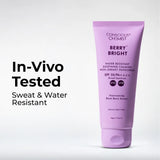
If you want a sunscreen that combines these features, consider Conscious Chemist Berry Bright Sunscreen. It is a gel-hybrid sunscreen with blackberry extract, ceramide, and 1% niacinamide. This SPF 50 PA++++ formula delivers a dewy, non-greasy, zero-white-cast finish.
Frequently Asked Questions
-
Is 1% niacinamide enough to see a change?
Yes. For daily maintenance and barrier health, 1% is highly effective. It provides the benefits of Vitamin B3 without the irritation that sometimes comes with 10% or 20% serums.
-
Why does my skin sting when I apply niacinamide?
Stinging is usually a sign of a compromised skin barrier or over-exfoliation from other products. It is rarely an allergy to niacinamide itself. If this happens, stop using exfoliating acids for a few days and focus on hydration.
-
Can I use Vitamin C and niacinamide together?
Yes. Modern research shows these two work beautifully together. Vitamin C provides potent antioxidant protection while niacinamide calms the skin and manages oil.
-
Do I still need to reapply if the sunscreen has antioxidants?
Yes. The skincare ingredients do not prolong the lifespan of the UV filters. You must reapply every two hours if you are outdoors to ensure your skin remains protected from the sun.
Share:
How Daily Sunscreen in Your 20s Prevents Tanning, Dullness, and Dark Spots?
Peptide Essence for Firm Skin: What Results to Expect and How to Use It?