


You applied sunscreen. You barely stepped outside. AC on full blast.
Yet one look in the mirror and — bam — your skin looks a shade deeper, and the tan lines are a whole different story.
It can feel confusing. Even frustrating.
Because everything we’ve been taught says: tanning happens only under the sun.
So if the sun isn’t hitting your skin… what is?
The myth that “tanning only happens outside” makes many people feel like something is wrong with their skin or their products. But the truth is: everyday indoor triggers silently activate melanin production, whether you're working from home, driving, or glued to your phone.
Let’s understand what’s actually going on indoors, so you can protect your glow confidently, without second guessing yourself.
Blue Light & Indoor Tanning
Most of us spend hours each day in front of screens….laptops, phones, tablets, TVs. Even indoor LED lighting counts.
What is Blue Light?
Blue Light or HEV (High Energy Visible) light is what you get from screens….phones, laptops, tablets and even LED bulbs. These rays penetrate deeper than UVA and trigger oxidative stress in skin. (Journal of Investigative Dermatology 2017)
This leads to:
-
Dullness
-
Slow, persistent tanning
-
Uneven patches over time
Can Screens Really Darken Skin?
Yes. And that’s why indoor tanning is becoming widespread
Studies show just 30–60 minutes of screen exposure can increase pigment formation, especially in medium to deeper skin tones which are more reactive to visible light.
If you’re on a screen most of the day, blue light becomes a cumulative tanning trigger that doesn’t feel like sun exposure… until the tan shows up.
Here’s how different types of light affect your skin:
|
Parameter |
Blue Light (HEV) |
UVA |
UVB |
|
Wavelength |
400-450 nm |
320-400 nm |
290-320 nm |
|
Main source indoors |
Screens, LEDs |
Sunlight (passes windows) |
Sunlight |
|
Depth of Penetration |
Deep Dermis |
Dermis |
|
|
Trigger effect |
Melanin + Oxidative Stress |
DNA + Pigment |
Sunburn + DNA Damage |
|
Visible impact |
Dullness, pigmentation |
Ageing |
Burning |
Even inside, your skin is reacting to its environment.
Pollution and Heat-Triggered Pigmentation
If pollution only affected people outdoors, city life would be easier.
But reality looks different.
Microscopic particles from the air enter through:
-
Windows
-
Balconies
-
AC vents
Once they settle on skin, they increase oxidative stress by up to 40%, accelerating pigmentation and dullness.
Heat adds another hidden trigger.
Even warm air from cooking, a hot shower, a stuffy room, or just existing in a tropical country — can switch on melanocytes, the cells responsible for pigment production.
Pollution to Pigmentation
Pollution → Stress → Inflammation → Excess Melanin → Visible Darkening
This explains why many people still notice tanning even without stepping out much.
Sunscreen Mistakes People Don’t Realize
You’re trying to protect your skin….which is why these moments deserve gentle guidance, not judgment.
SPF Doesn’t Cover Every Threat
Traditional sunscreens focus on UV only. But indoor triggers like blue light and pollution require more advanced protection.
Reapplying Indoors Feels Odd
And that’s normal. Who thinks to reapply SPF while sitting at their desk?
Yet studies show 60% of people skip reapplication indoors.
Not All Formulas Block Blue Light
So even if your skin is “protected,” it might still be vulnerable.
Dermatologists recommend refreshing your sunscreen every 3 to 4 hours indoors, because indoor light can still impact your skin over time.
— Dr. Meera Gupta, Dermatologist
This isn’t about blame…it’s about learning what actually works today.
The Role of Antioxidants in Reversing Dullness
Antioxidants are your skin’s repair and protection helpers.
They neutralize oxidative damage caused by:
-
Blue light
-
Pollution
-
Heat stress
-
UV rays that slip through windows
They complement SPF — and support brighter, healthier-looking skin long term.
How Antioxidants Work
Every time blue light, heat or pollution hit your skin, tiny unstable molecules called free radicals show up and start causing trouble.
Antioxidants step in to neutralize these free radicals before they can create dullness, spots or uneven tone. Over time, this helps your skin stay brighter, smoother, and more resilient to indoor stress.
Antioxidants and their benefits
|
Ingredient |
What it does |
Visible Result |
|
Niacinamide |
Controls melanin, strengthens barrier |
35% pigment reduction in 12 weeks |
|
Vitamin C |
Neutralises oxidative stress |
Brightens and evens skin tone |
|
Berry Extracts |
Fights free radicals |
40% stress reduction, healthier glow |
So while sunscreen shields, antioxidants help your skin recover.
Expert Tips to Prevent Indoor Tanning
Here are small habits that can bring real change:
✔ Use SPF 30+ hybrid protection — blocks UV + Blue Light
✔ Reapply every 3–4 hours, even inside
✔ Place your screen at arm’s length
✔ Add antioxidant skincare (AM & PM)
✔ Use anti-glare screen filters / curtains
✔ Avoid heat bursts — long hot showers trigger melanin
Tip: Set alarms for sunscreen reapplication, your skin will thank you.
Protection should feel easy, not overwhelming.
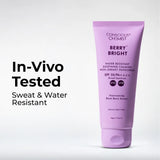
Meet Berry Bright Sunscreen, Designed for Indoor Protection Too
If your current sunscreen only protects outdoors… your skincare strategy is incomplete.
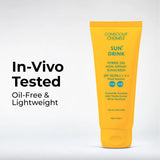
Berry Bright Sunscreen combines:
• UV + Blue Light protection
• Pollution shield technology
• Niacinamide and Berry Extract antioxidants
In internal testing, 87% of users noticed brighter, more even skin within 2 weeks.
It supports your glow where you spend the most time i.e inside.
Takeaways
• Indoor tanning is real but preventable
• Screens, heat and pollution contribute significantly
• Sunscreen needs upgrades beyond UV defense
You deserve a sunscreen that understands your lifestyle. One that works as hard indoors as it does outdoors, so your glow doesn’t dim just because you’re spending more time inside.
If you want to understand how modern sunscreens offer UV, HEV and pollution defense, dive into “Understanding SPF, PA++++, and Blue Light: The Complete Guide to Modern Sun Protection” for a clear breakdown of today’s protection standards and what really matters when you step into the sun, or stay inside.
FAQs
Q. Can screens really cause my skin to tan?
Yes. Blue light triggers melanin and dullness even without sunlight.
Q. Do I need sunscreen at home?
Yes. Indoor light and pollution still affect pigment pathways.
Q. What type of SPF is ideal indoors?
A formula that protects against UV + Blue Light + pollution.
Q. How often should I reapply indoors?
Every 3-4 hours to maintain protection.
Q. Can antioxidants help if I’m already tanned?
Yes, they reduce oxidative stress and support an even tone.
Q. Why does my skin still darken even when I wear SPF every day?
Protection breaks down due to sweat, heat, rubbing, or insufficient amount applied. Reapplication is essential.
Q. Do I need sunscreen if I'm not near windows or sunlight?
Yes, screens emit visible light that can still deepen pigmentation.
Q. Why does my sunscreen feel greasy in humidity?
Thicker formulas can mix with sweat and oil. Lightweight hybrid textures stay comfortable longer.
Q. Can I skip vitamin C if I’m using sunscreen indoors?
No. Antioxidants like vitamin C and niacinamide reinforce protection and help reverse dullness.
Q. Why does my skin tan faster around the mouth and forehead?
These areas have higher heat exposure and melanin activity, making them more prone to tanning.
Share:
Water-Resistant Sunscreens for Gym, Beach, and Outdoor Workouts
Sunscreen That Actually Works for Indian Skin: Beat Heat, Humidity, and White Cast