


You pick up a sunscreen that proudly says SPF 50 and expect full protection. But over time, your skin still tans, spots look darker and early fine lines appear.
SPF only measures UVB protection. The deeper damage that causes pigmentation and aging comes mainly from UVA, which SPF does not cover.
And today, blue light from screens adds another source of daily pigment stress, especially for deeper skin tones.
This guide breaks down SPF, PA++++ and visible-light defense, so you know how to choose sunscreen that protects your skin in the real world. By the end you’ll know what each rating means—and how to pick for full-spectrum modern protection.
What SPF Actually Measures
SPF tells you how long your skin can stay protected from UVB rays, the ones that cause sunburn, surface tanning, and some skin cancers.
Think of SPF as a multiplier of your natural protection time.
For example:
If your bare skin burns in 10 minutes, SPF 50 lets you stay protected 50 times longer, about 500 minutes, under the same conditions.
-
SPF 30 filters about 97% of UVB rays.
-
SPF 50 filters about 98%.
-
SPF 100 filters about 99%.
SPF mainly guards against UVB, not UVA. That’s why SPF alone isn’t enough.
What PA Measures
PA measures protection from UVA rays, which penetrate deeper into the skin.
UVA exposure leads to pigmentation, premature ageing, and DNA damage, things that don’t show up immediately but cause long-term harm.
The PA system started in Japan and Korea, using “plus signs” to indicate UVA protection strength:
-
PA+ = Some UVA protection
-
PA++ = Moderate protection
-
PA+++ = High protection
-
PA++++ = Extremely high protection
Why Both Matter
You need both numbers because UVB burns, but UVA ages and damages.
A good sunscreen should protect from both, that’s why look for “Broad Spectrum” or SPF + PA++++ on the label.
SPF vs PA: What the Label Tells You
|
Label Term |
Protects Against |
What It Means |
Best For |
|
SPF 30 / 50 / 100 |
UVB rays |
Prevents sunburn, redness |
Daily wear or long outdoor time |
|
PA+ to PA++++ |
UVA rays |
Prevents pigmentation & ageing |
All-day exposure, anti-ageing care |
|
Broad Spectrum |
UVA + UVB |
Balanced protection |
Everyday use |
How PA++++ Protects Against Long-Term Pigmentation
SPF only covers UVB, which mainly causes sunburn. But the deeper and more persistent skin concerns in India — uneven tone, melasma, acne marks that darken — are primarily driven by UVA exposure.
This is where the PA system becomes critical.
Why UVA Drives Pigmentation and Photo-Ageing
UVA penetrates deeper into the skin, reaching the dermis where melanin and collagen live. It triggers hyperactive melanin production even without visible redness.
So while UVB burns, UVA silently tans and ages the skin.
UVA leads to:
• Persistent dark spots
• Post-acne marks taking months to fade
• Fine lines and laxity over time
• Melasma flare-ups
This damage happens indoors too, because UVA passes through windows and clouds.
What PA++++ Means in Practice
The PA system measures how well a sunscreen blocks UVA-induced darkening.
A narrative dermatology review confirms that PA++++ is currently the highest UVA protection level available in the PA rating scale.
Rating breakdown:
• PA+ = some UVA protection
• PA++ = moderate
• PA+++ = good
• PA++++ = high UVA protection (gold standard for pigmentation concerns)
A simple analogy from Japanese and Korean testing frameworks:
PA++++ can provide ~16× or more protection against UVA-triggered pigmentation compared to unprotected skin.
In short:
More plus signs = better defense for clarity and aging prevention.
Why PA++++ Matters More in Indian Skin Tones and Climate
India has a high UV index most of the year.
Melanin-rich skin responds faster to:
• UVA
• Pollution-induced oxidative stress
• Blue and visible light
• Heat and humidity
This means pigmentation keeps reactivating even when you think you're protected.
Industry standards across Asian and Indian sunscreen markets now treat PA++++ as the benchmark for helping maintain even skin tone and reducing risk of deep discoloration.
Label-reading tip:
If your city has strong sun + pollution, and your skin tends to tan or spot easily -
Avoid sunscreens that only show PA++ or PA+++
Choose SPF 50 + PA++++ for more complete everyday defense.
Blue Light and Screen Exposure: The New-Age Skin Concern
We have always been told sunscreen is for sunny days outdoors. But our skin now lives in front of screens, under indoor LEDs and inside rooms with large windows.
The world has changed. Light exposure has too.
Not every light burns the skin, but some types can still influence pigmentation and skin health.
What Blue Light Is and Why It Matters
Blue light sits in the 400 to 500 nm range of the visible spectrum.
It comes from:
• The sun
• Smartphones, laptops, tablets
• Bright indoor lighting
Scientific reviews show blue light can increase oxidative stress and activate pigment pathways more aggressively in deeper skin tones.
This means uneven tone can build up even without stepping into direct sunlight. (2020 PMC-reviewed research)
Blue light = the pigmentation trigger hiding in plain sight.
Evidence of Blue-Light Effects on Skin
Dermatology studies now confirm:
• Blue-light-induced pigmentation can last weeks
• Skin types III to VI show stronger and deeper darkening
• Repeated exposure contributes to dullness and spot formation
How Modern Sunscreens Keep Up
Today’s formulas are built for real life, not just vacations.
Look for SPFs with:
• Iron oxides or a tinted finish to help shield visible light
• Antioxidants to neutralize blue-light-driven stress
If pigmentation is your main concern, choosing a sunscreen with visible-light defense is no longer optional.
TLDR: No, your laptop screen alone won’t replace the sun, but if you use SPF only for UVB, you may be missing out on visible-light damage too.
Light Type and What to Look For
|
Light type |
Main source |
Main skin effect |
What to check on label |
|
UVB |
Midday sun |
Burns, surface tan |
SPF 50 |
|
UVA |
Sun, windows |
Deep aging, pigmentation |
PA++++ |
|
Blue/visible light |
Screens, LEDs |
Dullness, darker marks |
Tinted or iron oxide |
Why Hybrid SPFs Are Becoming the New Standard
Hybrid sunscreens use both chemical and mineral filters. Chemical filters absorb UV. Mineral filters reflect it. Together, they offer wider protection and a better finish on skin.
What Hybrid Filters Do
Chemical filters absorb UV and convert it into harmless energy.
Mineral filters reflect or scatter light at the surface.
Hybrid sunscreens use both. This helps give complete coverage without the drawbacks of either side alone.
Why They Work Better in Daily Life
Hybrid systems cover:
• UVB (burning)
• UVA (pigmentation and aging)
• Some visible light, especially when tinted
This means better support for India’s common concerns like tanning, uneven tone and recurrent dark spots.
They also tend to apply more smoothly, without heavy white cast or greasiness that deeper skin tones struggle with.
What to Check on the Label
A hybrid sunscreen protects more completely and feels better day to day, so you are more likely to use the right amount consistently.
By now, you know what SPF really means, what PA ratings measure, and why blue-light protection matters just as much.The next time you reach for sunscreen, don’t just go by numbers — read the label. Look for SPF 50 + PA++++, broad-spectrum coverage, and if possible, visible-light defense.
Your skin deserves more than basic protection. It deserves science that keeps up with real life.
Start by checking your current sunscreen. If it doesn’t tick all the boxes, it’s time for an upgrade.
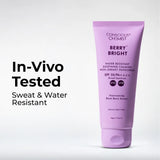
Explore Conscious Chemist’s Berry Bright Sunscreen, built for India’s humidity, deeper skin tones, and modern lifestyles.
Takeaway
High SPF alone does not guarantee the right protection.
Choose sunscreens that defend against:
• UVB (SPF rating)
• UVA (PA++++ rating)
• Visible light and screens (iron oxides or antioxidants)
If you want to explore reliable yet budget-friendly options, check out “Affordable Sunscreens That Actually Deliver in India: Top Picks Under ₹500–₹700” to help you choose smart without overspending.
FAQs
Q. Why is SPF not enough on its own?
SPF only measures UVB protection. UVA still reaches skin deeply and drives pigmentation and aging.
Q. Does PA++++ really make a difference?
Yes. It indicates strong UVA defense, which helps reduce deeper damage.
Q. Should I wear sunscreen indoors?
If you sit near windows or screens for long durations, yes. UVA and blue light still affect skin.
Q. How much sunscreen do I need?
Two full fingers worth for face and neck. Too little reduces the stated protection.
Q. Can sunscreen help fade dark spots?
It prevents marks from getting darker and allows brightening products to work better.
Q. What finish is best for oily skin?
Non-greasy gels or matte-texture sunscreens that hold up in heat.
Share:
The Sunscreen That Fights Pigmentation: Protection + Brightening in One Tube
Water-Resistant Sunscreens for Gym, Beach, and Outdoor Workouts