


Many people believe that skin should feel tight or squeaky after washing the face. This idea is common because it creates the impression that all oil and dirt have been removed.
However, tight skin after cleansing is usually not a sign of better cleaning. Instead, it often indicates that the cleanser removed too much of the skin's natural protective oils.
A well-balanced cleansing routine leaves the skin clean, soft, and comfortable rather than dry or stretched. Understanding the difference helps protect the skin barrier and maintain healthy hydration levels.
Tight Skin Is Not a Sign of Better Cleansing
The feeling of tightness after washing is extremely common. Many people interpret this sensation as proof that the cleanser worked well.
In reality, the feeling often signals that the skin has lost important moisture and lipids.
If your skin feels tight after rinsing, it is often reacting to the loss of lipids and water rather than to you cleaning better.

What Tight Skin Actually Feels Like?
Post-cleanse tightness usually has recognizable sensations.
Many people describe it as
- pulling or stretching when they move their face
- a squeaky sensation when touching the skin
- an immediate urge to apply moisturizer
- dryness or discomfort around the cheeks or nose
These sensations happen when cleansing removes too much surface oil or disrupts the protective lipid layer.
The Science Behind the Tight Feeling
Researchers studying skin cleansing explain that tightness occurs when surface lipids and water are removed during washing.
When these protective components are reduced, the outer skin layer slightly contracts. The skin contains tiny sensory receptors that interpret this contraction as a sensation of tightness.
Scientists often compare the effect to a sponge drying out as water evaporates.
This reaction is a physical signal from the skin rather than proof of effective cleansing.
Why Tightness Matters Beyond Comfort?
While occasional tightness may seem harmless, repeated stripping can gradually weaken the skin barrier.
Barrier stress can contribute to
- dryness and flaking
- increased irritation
- redness or sensitivity
- difficulty tolerating skincare products
Some people respond to tightness by applying heavier moisturizers or switching to stronger cleansers. Both reactions can worsen the underlying issue.
The real goal of cleansing should be clean skin that remains comfortable and balanced.
What a Good Clean Should Feel Like?
Healthy skin after cleansing should feel noticeably different from stripped skin.
A great cleanse leaves skin comfortable, flexible, and calm rather than squeaky or dry.
The Ideal Post Rinse Skin Feel
A simple checklist can help identify whether cleansing was balanced.
After rinsing, the skin should feel
- soft and flexible rather than stretched,
- calm without redness or stinging,
- clean without an oily film.
A small amount of natural cushion in the skin is normal and indicates that protective lipids remain intact.
Soft Skin vs Oily Residue
Some people worry that avoiding tightness means leaving oil behind. However, comfortable skin is different from greasy residue.
Simple tests can help identify the difference.
- Rinse Test
Splash water onto the skin. Water should spread evenly rather than bead on oily patches.
- Towel Pat Test
Gently pat the skin with a towel. A greasy smear usually indicates leftover residue.
- Five Minute Test
Wait a few minutes after cleansing. Balanced skin settles into a neutral feel without becoming heavier or oilier.
These checks help confirm whether the cleanser rinsed properly.
Why Barrier-Friendly Cleansing Feels Different?
Modern mild facial cleansers aim to remove impurities while minimizing disruption to skin proteins and lipids.
Traditional harsh cleansers can remove oils aggressively and leave surfactant residue on the skin.
Barrier-friendly formulations focus on removing makeup, sunscreen, sebum, and sweat while allowing the skin to maintain its protective structure.
This is why gentle cleansing often feels softer and less squeaky than older cleansing formulas.
How Long Does It Take Skin to Recover After Washing?
Even gentle cleansing temporarily changes skin physiology.
Research examining post-wash recovery found that skin hydration returned to baseline in about forty minutes, while sebum and barrier measurements normalized closer to 2 hours after washing.
This means it is normal for the skin to feel slightly different immediately after cleansing.
The key difference is that balanced cleansing should not cause prolonged tightness or irritation.

Post Rinse Skin Feel Decoder
This table helps interpret what your skin may be telling you after washing.
|
What do you feel after rinsing |
Likely cause |
What to change first |
|---|---|---|
|
Tight stretched feeling |
Lipid removal or harsh cleanser |
Switch to a gentler cleanser or reduce wash time |
|
Soft comfortable skin |
Balanced cleansing |
Maintain current routine |
|
Greasy residue or film |
Poor rinsing or heavy formula |
Rinse longer or adjust the cleanser amount |
|
Stinging or redness |
Barrier irritation |
Reduce cleansing intensity and simplify routine |
Technique Tweaks That Prevent Tight Skin
Often, small changes in cleansing technique can prevent tightness without switching products.
Tightness often comes from technique, such as water temperature during cleansing or poor emulsification, rather than from the cleanser itself.
Cleanse Time Should Be Shorter Than Many Think
Long cleansing sessions can remove more lipids than necessary.
Recommended time ranges
- Oil cleanse for about thirty to sixty seconds
- Second cleanser for about twenty to forty seconds
This duration is usually enough to dissolve sunscreen and makeup without excessive stripping.
How does water temperature affect skin texture?
Hot water increases lipid removal and can worsen dryness.
A simple rule helps guide temperature: If the water creates steam or causes facial redness, it is too hot.
Using lukewarm water helps maintain barrier integrity.
Proper Emulsification During Oil Cleansing
When using an oil cleanser, the emulsification step is essential.
Correct oil cleansing method:
- Apply oil cleanser to dry skin
- Massage gently to dissolve makeup or sunscreen
- Add small amounts of water
- Allow the cleanser to turn milky
- Rinse thoroughly
This milky transformation helps lift oil and debris without leaving residue.
Balance the Two Steps of Double Cleansing
Double cleansing works best when each step has a specific role.
The first cleanse dissolves oil-soluble buildup such as sunscreen, makeup, and sebum.
The second cleanse removes remaining sweat and debris.
Tightness often occurs when both cleansers are too strong or when the second cleanser is overly foaming.
Product Choices That Prevent Tightness
Choosing the right cleansers can significantly improve post-wash comfort.
Selecting a First Cleanser for Sunscreen and Makeup
Oil-based cleansers are often effective for removing water-resistant sunscreen, makeup, and sebum.
Important qualities include
- emulsifying into a milky texture
- rinses without leaving residue
- non-comedogenic formulation
- comfortable skin feel after rinsing
These characteristics allow makeup removal without aggressive scrubbing.
Choosing a Gentle Second Cleanser
The second cleanser should be mild enough to avoid additional stripping.
Look for
- gentle gel or cream textures,
- low fragrance formulas if sensitive,
- barrier-friendly claims,
- and cleansers designed for daily use.
Avoid cleansers that promise extreme oil removal or squeaky clean finishes.

When Tightness Indicates Barrier Damage
Occasional tightness can happen, but persistent symptoms may indicate barrier stress.
Signs include
- stinging even with water,
- redness or inflammation,
- flaking or peeling,
- burning sensation after cleansing
In these cases, simplify the routine, reduce the use of exfoliating products, and consider professional advice if symptoms persist.
Double Cleanse Builder for Soft Skin
|
Routine step |
Best for removing |
What to look for |
Common mistake |
|---|---|---|---|
|
First cleanser |
Sunscreen makeup sebum |
Oil cleanser that emulsifies and rinses clean |
Using harsh scrubs |
|
Second cleanser |
Sweat and remaining debris |
Gentle gel or cream cleanser |
Using strong foaming formulas |
Building a simple, consistent routine helps maintain comfortable skin after cleansing.
Morning Routine
Some people may not need a full cleanse in the morning.
Options include:
- Gentle cleanser if skin feels oily
- Water rinse for dry or sensitive skin.
- Follow with moisturizer and sunscreen.
Evening Routine for Sunscreen and Makeup
Evening cleansing often benefits from two steps.
Step one: oil cleanse to dissolve sunscreen and makeup.
Step two: gentle water-based cleanser
Step three: Apply moisturizer.
Waterproof makeup may require a slightly longer oil massage rather than harsher cleansers.
Quick Fixes If Skin Feels Tight Tonight
If your skin feels tight after cleansing, try these simple adjustments
- Reduce cleansing time
- Use lukewarm water
- Avoid cleansing twice in the morning
- Switch to a gentler second cleanser
- Apply moisturizer while the skin is slightly damp
Avoid exfoliating scrubs or cleansing brushes while the skin feels irritated.
If tightness appears mainly after removing sunscreen or makeup, the first cleanser may be doing too little or too much.
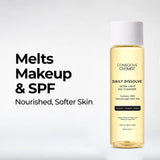
Conscious Chemist Daily Dissolve Oil Cleanser is an example of a first-step oil cleanser designed to dissolve sunscreen, makeup, and sebum efficiently.
The formula uses a blend of oils, including squalane, and emulsifies into a milky texture when water is added.
It is designed to rinse clean while maintaining skin comfort and supporting the moisture barrier.
If you regularly wear sunscreen or waterproof makeup and want skin to feel soft rather than tight after washing, you may try Conscious Chemist Daily Dissolve Oil Cleanser as the first step in a double cleansing routine followed by a gentle second cleanser.
Final Takeaway for Comfortable Post-Cleanse Skin
Healthy cleansing should leave the skin feeling clean, soft, and balanced rather than stripped.
Tightness is usually a signal that the skin lost too much moisture or protective lipids during washing.
Small adjustments in technique, cleanser strength, and water temperature can significantly improve comfort.
By focusing on barrier-friendly cleansing, you can maintain skin that feels refreshed without dryness, irritation, or tightness.
Frequently Asked Questions
1. Is tight skin after washing normal?
It is common but not ideal. Tightness often indicates that cleansing removed too many protective lipids and moisture from the skin surface.
2. How should my skin feel after cleansing?
The skin should feel soft, flexible, and comfortable. When you smile or move your face, it should not feel stretched or dry.
3. Can oil cleansers worsen acne?
Not necessarily. Well-formulated oil cleansers that emulsify and rinse clean can remove sunscreen and sebum effectively without clogging pores.
4. Do I need to double cleanse every day?
Double cleansing is useful when wearing sunscreen or makeup, or after heavy exposure to pollution. If you wear no SPF or makeup, a single gentle cleanse may be sufficient.
5. Why does my skin feel tight even with a gentle cleanser?
Often, the cause is a technique such as hot water, long cleansing times, or the use of two strong cleansers together.
6. How long should post-wash tightness last?
A brief just-washed sensation can occur, but tightness that persists, along with redness and irritation, suggests the routine may be too harsh.

Share:
How to Cleanse Mature Skin with Oil Cleanser?
Is One Oil Cleanse Enough to Remove Sunscreen and Waterproof Makeup?