


There is a point where your hair feels clean, but still not right.
It looks dry even after washing. Ends feel rough, and the moment humidity hits, frizz comes back. That is when people start looking for hyaluronic acid for hair, expecting it to behave like oil.
But it does not.
And that is exactly why it works.
Instead of coating the hair, it helps manage water inside the hair fiber, which changes how hair feels, moves, and responds to the environment.
What does Hyaluronic Acid do for hair?
Hyaluronic acid is a humectant, which means it attracts and holds water.
It is widely known for its ability to hold 1,000 times its weight in water, which explains its use for hydration.
In hair care, this translates into better hydration and improved softness.

How Is Hyaluronic Acid Different from Oils?
Oils coat the hair and help seal moisture.
Hyaluronic acid works differently. It pulls in water and helps keep hair hydrated. This is why it improves flexibility and reduces the dry, rough feeling.
It does not replace oil. It complements it.
Does Hyaluronic Acid Work Better on Scalp or Hair Lengths?
On the scalp, it helps reduce tightness or dryness after washing.
On the lengths, especially the ends, it improves softness and makes detangling easier. Ends benefit more because they are older and more damaged.
|
Key Takeaway Hyaluronic acid for hair improves hydration and slip, helping reduce dryness and making hair easier to manage. |
Why Hydration Helps Frizz but Doesn’t Fix All Hair Damage?
Hair concerns overlap, but they are not the same.
Dryness means lack of moisture. Frizz happens when the cuticle is raised and reacts to humidity. Damage refers to weakened hair structure.
Understanding this helps you choose the right routine.
Before adjusting your routine, this quick guide helps identify your concern.
|
What you’re seeing |
Most likely cause |
What helps most |
|
Rough, dry ends |
Lack of moisture |
Hydration & conditioning |
|
Puffy hair in humidity |
Frizz |
Hydration & smoothing |
|
Snapping strands |
Damage |
Strength & reduced friction |
When Does Hyaluronic Acid Work Best for Hair?
It works best when dryness is the main issue.
You will notice improvement if:
-
Hair feels rough after washing
-
Detangling feels difficult
-
Ends look frizzy
Hydration improves flexibility, which reduces breakage during handling.
Why Does Hyaluronic Acid Need Support from Conditioner?
Hyaluronic acid attracts water but does not seal it.
Without conditioning ingredients, moisture can escape quickly. This is why pairing hydration with conditioning improves long-term results.
|
Key Takeaway Hydration improves frizz, but lasting smoothness needs both moisture and conditioning support. |
Where Should You Use Hyaluronic Acid for Hair in Your Routine?
Hyaluronic acid in shampoo supports scalp comfort, but it rinses off quickly.
The most visible results come from leave-in conditioners, which stay on the hair longer and improve slip.
How Does Hyaluronic Acid Help in Leave-In Conditioners?
Leave-ins provide continuous hydration and protection.
They:
-
Reduce friction
-
Improve detangling
-
Maintain softness between washes
This is why they are more effective for frizz control.

Best Hyaluronic Acid Hair Routine for Different Hair Types
Different hair types need different approaches.
-
Oily scalp & dry ends: focus leave-in on lengths only
-
Curly hair: apply to damp hair and avoid over-handling
-
Treated hair: combine hydration with gentle cleansing
Before choosing products, this table helps you see where hyaluronic acid fits best.
|
Product step |
Best for |
What you’ll notice |
Common mistake |
|
Shampoo |
Scalp comfort |
Less dryness post-wash |
Expecting frizz control |
|
Conditioner |
Softness |
Easier detangling |
Using too little |
|
Leave-in |
Frizz control |
Smooth, manageable hair |
Over-applying |
How Does Hard Water Affect Hydration Results?
Hard water can make hair feel rough and reduce its hydration.
This is why gentle cleansing, combined with leave-in conditioning, yields better results in Indian conditions.
|
Key Takeaway Hyaluronic acid works best in leave-ins, where it stays on the hair, improving slip and softness. |
How to Use Hyaluronic Acid for Hair Without Stickiness or Buildup?
Using more product does not improve results.
A small amount applied to damp hair works best. This allows even distribution and prevents buildup.
How to Use Hyaluronic Acid for Hair in Humid vs Dry Weather?
In humid weather:
-
Use less product
-
Focus on smoothing
In dry environments:
-
Apply to damp hair
-
Follow with light conditioning
What Are Common Mistakes That Make Hyaluronic Acid Feel Ineffective?
Before changing products, it helps to identify usage errors.
|
Mistake |
What happens |
Fix |
|
Using too much |
Hair feels sticky |
Reduce quantity |
|
Applying on scalp |
Greasy roots |
Use on lengths |
|
Skipping conditioner |
Dryness returns |
Add conditioning |
|
Applying to dry hair |
Uneven results |
Apply to damp hair |
Hyaluronic Acid for Hair Results Timeline: What to Expect in 2 vs 6 Weeks?
In the first few uses, you may notice softer hair and easier detangling.
Over a few weeks, reduced breakage and better manageability become more visible.
Research also shows that consistent use of hyaluronic acid-based formulations improves hydration and overall hair condition over time.
|
Key Takeaway Correct usage and consistency determine whether hyaluronic acid improves your hair or feels ineffective. |

How to Build a Hair Routine with Hyaluronic Acid for Frizz and Dryness?
Hair concerns happen across multiple stages.
Hydration alone is not enough. You also need gentle cleansing and protection to reduce breakage during washing and daily handling.
What Is the Best Routine for Frizz and Hair Fall Together?
The most effective approach combines:
-
Gentle shampoo for scalp balance
-
Leave-in conditioner for lengths
-
Consistent daily care
This reduces both dryness and breakage.
How to Reduce Frizz and Breakage with the Conscious Chemist Hair Care Routine?
If your hair feels rough, frizzy, and prone to breakage, focus on a routine that reduces wash stress and improves slip between washes.
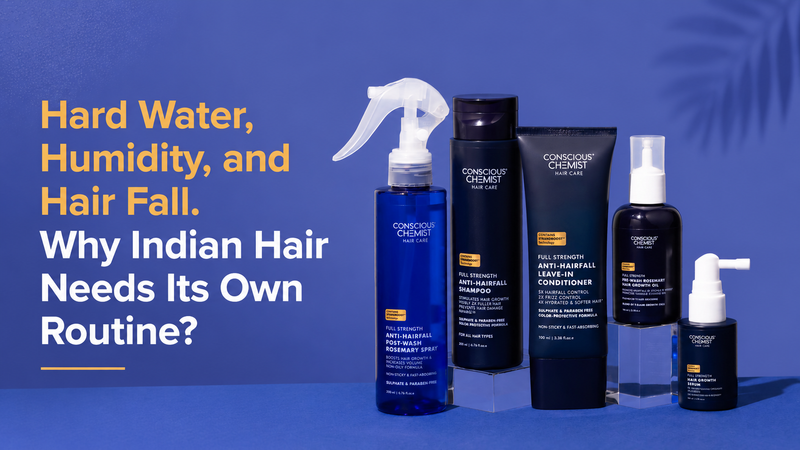
The Conscious Chemist Anti-Hairfall Shampoo and Conditioner help maintain hydration, reduce friction, and improve manageability over time.
Order now and follow a consistent routine for a few weeks to track reduced breakage and smoother hair.
|
Key Takeaway The most effective routine combines hydration, gentle cleansing, and continuous protection between washes. |
How to Use Hyaluronic Acid for Hair Long-Term?
Hyaluronic acid for hair improves hydration and reduces friction, making hair softer and easier to manage.
If you are using science-backed hair growth products or building a complete hair care kit for hair fall, combining hydration with gentle cleansing and conditioning improves long-term results.
Consistent use helps reduce frizz, improve texture, and support better hair manageability over time.
Frequently Asked Questions
1. Can hyaluronic acid make hair frizzier in humid weather?
Yes, if overused. In humid conditions, excessive use of humectant can increase puffiness. Use smaller amounts and combine with conditioning products for better control.
2. Is hyaluronic acid better in shampoo or leave-in products?
Leave-in products usually show better results because they stay on the hair longer. Shampoo helps with scalp comfort but has a limited impact on frizz.
3. Will a leave-in conditioner cause hair fall if used daily?
No, a lightweight leave-in applied on lengths can reduce breakage by improving slip. Hair fall usually increases only when too much product causes buildup.
4. Should I apply hyaluronic acid products to my scalp?
Only if your scalp feels dry. Otherwise, focus on lengths and ends to avoid greasiness and buildup.
5. How soon can I see results from hyaluronic acid?
You may notice softness and easier detangling within a few uses. Reduced breakage and better manageability take a few weeks of consistent use.
6. Does hyaluronic acid help with hair growth?
It mainly improves hydration and manageability. It does not directly promote hair growth but can support a healthier scalp environment.
Share:
How to Control Hair Fall on Wash Day & Identify Shedding vs Breakage?
How Hydrolyzed Keratin Strengthens Hair and Eliminates Frizz Effectively?