



Many people worry that washing their hair daily or every other day can lead to hair thinning. In reality, maintaining a clean scalp is vital for healthy growth. You can cleanse frequently and keep your strands hydrated by using the right methods and a high-quality anti-hair fall shampoo. This guide explains how to balance hygiene with hair health to prevent unnecessary damage.
Is Frequent Shampooing Harmful for Your Hair?
This section breaks down the real reason you see more hair on wash days, and when shampooing more often is actually the healthier choice for your scalp.

You run your fingers through wet hair in the shower and suddenly see a cluster of strands at your feet. Your first instinct: shampooing too often must be the problem. But in most cases, frequent washing is not the culprit.
What Is the Difference Between Normal Hair Shedding and Breakage?
Learn how to identify what you are actually seeing in the drain.
-
Shedding is a natural cycle where you lose 50 to 100 strands daily.
-
Wash days release hair that has already shed earlier.
-
Shed strands usually have a small white bulb at one end.
-
Breakage appears as shorter strands with uneven ends.
-
Many users searching for a shampoo that stops hair fall immediately confuse shedding with breakage.
|
Key Insight: |
When Is More Frequent Washing Beneficial for Your Hair?
See how your lifestyle and environment influence how often you should wash.
-
Sweat from workouts can irritate the scalp if not cleaned.
-
Pollution and dust stick to the scalp during daily commutes.
-
Mineral buildup makes shampoo for hair fall due to hard water more relevant.
-
Oily scalps require more frequent cleansing.
-
Dandruff-prone scalps benefit from regular washing.
-
Clean scalp conditions support any science-backed hair fall solution.
Many people avoid frequent washing due to fear of damage. However, research shows otherwise. A study published in Skin Appendage Disorders found that washing hair 5-6 times per week improved scalp condition without causing damage.
How Often Should You Wash Your Hair Based on Your Lifestyle?
Use this quick table to find your ideal washing frequency and care steps.
|
Your situation |
Likely wash frequency |
Non-negotiables to prevent dryness/breakage |
|
Oily scalp + gym routine |
4-6 times/week |
Use a gentle scalp barrier shampoo + conditioner |
|
Normal scalp + mild styling |
3-4 times/week |
Add leave-in + avoid heat |
|
Dry or curly hair |
2-3 times/week |
Focus on hydration and protection |
Could hard water be the real reason behind your hair fall? Here's the chain reaction happening every time you shower.

What Should You Look for in a Shampoo If You Wash Your Hair Frequently?
Picking the right shampoo for regular washing is not about label claims. This section explains the formulation principles that actually determine whether a shampoo supports or damages hair over time.
|
Key Insight: |
Which Type of Shampoo Works Best for Frequent Washing?
Understand what actually matters beyond marketing claims.
-
Look for a hair fall control shampoo that focuses on scalp health.
-
A good anti-hair fall shampoo reduces breakage, not natural shedding.
-
Choose a clean beauty anti hairfall shampoo with balanced cleansing.
-
Avoid harsh formulas that disrupt the scalp barrier.
Which Ingredients in a Shampoo Help With Hair Fall?
Learn what functional ingredients do for your scalp and hair.
-
Rosemary oil shampoo for hair fall supports scalp circulation.
-
Saw palmetto DHT blocking shampoo targets hormonal hair thinning.
-
Yeast extract scalp health shampoo supports the follicle environment.
-
Aloe vera anti-hair fall shampoo soothes irritation.
-
Probiotic shampoo for the scalp barrier helps maintain balance.
How Do You Choose the Right Shampoo for Your Hair Type?
Match your shampoo to your specific concern.
-
Use a shampoo for hair thinning if the density is reducing.
-
Choose a keratin repair shampoo for breakage if hair snaps easily.
-
Try a hyaluronic acid hydration shampoo for dry lengths.
-
Look for a hair-strengthening shampoo if hair feels weak.
Frequent-Wash Product Checklist: What to Choose and What to Avoid?
Use this table to simplify decisions.
|
Category |
Choose this |
Avoid this |
|
Shampoo |
functional ingredient shampoo India |
Generic “all-in-one” claims |
|
Performance |
Rinses clean in hard water |
Heavy residue formulas |
|
Routine |
Consistent use |
Constant switching |
Which Techniques Can Reduce Wash-Day Breakage?
Step-by-step instructions on how to handle your hair during and after the wash to minimize mechanical damage.
Most "hair fall" during a shower is actually breakage caused by poor technique. You can protect your strands by changing how you apply products and dry your hair.
Should You Clean Your Scalp or Hair While Shampooing?
Scrubbing shampoo into your lengths creates tangles, roughens the cuticle, and increases breakage. Here is how to do it correctly:
-
Apply shampoo only to the scalp.
-
Let water carry it through lengths.
-
This protects fragile ends from damage.
What Is the Right Way to Rinse Your Hair?

Use lukewarm water. Even though hot water feels relaxing, it is a direct trigger of dryness. It opens the cuticle aggressively and strips moisture from both the scalp and the hair shaft. Switch to lukewarm water for the entire wash.
Thorough rinsing matters more than most people realize. Shampoo and conditioner residue left in the hair causes tangles during drying, which then snap when combed. A complete rinse takes at least 60 seconds of water flowing through the hair, not just a quick pass.
How to Care for Your Hair After Washing?
Prevent breakage during the most fragile stage.
-
Avoid rough towel drying.
-
Use gentle detangling methods.
-
Follow a routine that supports the best shampoo for hair fall and frizz control results.
Should You Wash Hair After Sweating Instead of Using Dry Shampoo?
Dry shampoo works well for one or two uses. When used day after day without a proper wash, it accumulates on the scalp as a thick residue that blocks follicles, increases itch, and causes hair to tangle and snap more during styling.
If you are truly sweaty after a workout, a scalp-focused shampoo wash is a better option than another layer of dry shampoo. This supports a healthier scalp environment. Additionally, you can use an anti-hair loss shampoo for this.
Why Is a Leave-In Conditioner Important If You Wash Your Hair Frequently?
If your scalp feels clean after washing but your hair still looks frizzy, tangles easily, or seems to shed more at the ends, this section explains what is happening and how to fix it.
What Happens to Your Hair When You Wash It Too Frequently?
Frequent handling increases damage risk.
-
Towel drying and combing add friction.
-
Porous hair becomes frizzy faster.
-
This creates the need for the best shampoo for hair fall and frizz control routines.
What Does a Leave-In Conditioner Do?
A leave-in conditioner is not just a lighter version of a rinse-out conditioner. Its job is different and specifically suited to the needs of frequent washers. A well-formulated leave-in should:
-
Smooth cuticle
-
Add slip
-
Reduce frizz
-
Protect ends
What Is the Correct Way to Apply a Leave-In Conditioner?
Prevent buildup while maximizing benefits.
-
Apply only to mid-lengths and ends.
-
Use small amounts.
-
This complements an Indian hair routine safe shampoo approach.
What Is the Best Frequent-Wash Routine for Indian Hair?
This section brings everything together into ready-to-follow routines that avoid hair damage during frequent washing. Choose the routine template that matches your week:
Routine 1- Oily Scalp or Daily Gym:
-
Wash 4 to 6 times per week.
-
Use a gentle scalp-focused shampoo each time.
-
Apply a lightweight leave-in immediately after towel-squeezing on every wash day.
On gym days, focus the shampoo on the scalp only and keep the wash time short. In the monsoon season, increase the wash frequency if the scalp feels sweaty or itchy within a day or two.
Routine 2- Normal Scalp or Colour-Treated Hair:
-
Wash 3 to 4 times per week.
-
Use a pH-balanced, colour-safe gentle shampoo.
-
Follow with a lightweight rinse-out conditioner at every wash.
-
Apply leave-in after each wash on mid-lengths and ends.
In winter, reduce frequency by one wash if the scalp feels dry between washes.
Routine 3- Dry Scalp or Curly/Wavy Hair:
-
Wash 2 to 3 times per week.
-
Use a moisturizing, gentle shampoo.
-
Apply a slightly richer conditioner on wash days.
On non-wash days, refresh the lengths with a small amount of leave-in to keep frizz down and maintain curl definition without the dehydration of a full wash.
Which Is the Best Anti-Hairfall Duo for Frequent Washers in India?
Once you have the right frequency, shampoo choice, technique, and post-wash protection in place, a simplified two-step system becomes the most practical option for daily and frequent washers.
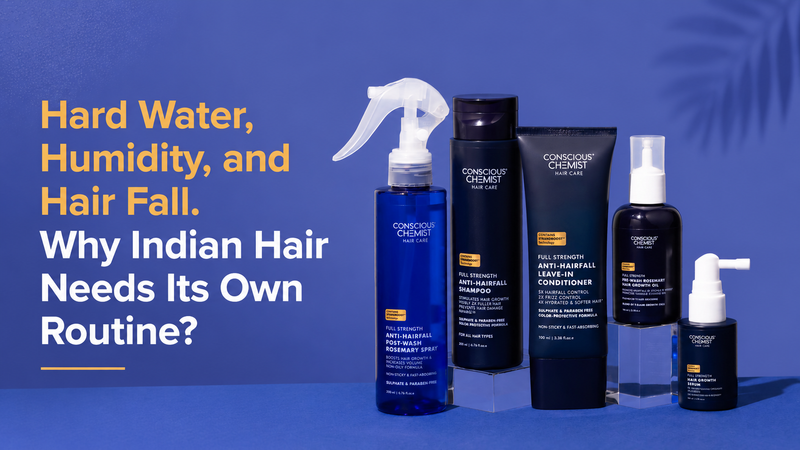
The Conscious Chemist Anti-Hairfall Strength Duo is designed around exactly the principles covered in this article. The shampoo is formulated for regular use and performs effectively in hard water conditions, making it well-suited for Indian scalp environments. It is safe for coloured and chemically treated hair, and its StrandBoost™ technology (a blend of yeast extract and rosemary) supports follicle health during the wash.
The accompanying leave-in conditioner is lightweight enough for fine and low-density hair, smooths the cuticle after each wash, and reduces friction-based breakage that frequent washers experience between washes. Rather than assembling multiple products from different brands to cover cleansing, conditioning, and post-wash protection, the duo handles all three functions as a cohesive system.
Frequently Asked Questions
1. Does washing hair daily cause hair fall?
Daily washing does not automatically cause hair fall. Visible hair on wash days is usually accumulated shedding. Breakage from rough handling is the main concern.
2. Why do I see more hair in the drain when I wash more often?
Washing releases hair that has already shed. Short, uneven strands indicate breakage instead of shedding.
3. Can I use a leave-in conditioner every day?
Yes, a lightweight leave-in can be used daily on mid-lengths and ends. Use a small amount and avoid the scalp unless needed.
4. How do I wash out hair oil without drying my hair?
Use a gentle shampoo and rinse thoroughly. If needed, wash twice with a mild lather instead of scrubbing harshly.
5. Is frequent washing safe for colored or treated hair?
Yes, if you use a gentle shampoo and condition regularly. Technique and protection are important.
6. What is the biggest mistake in frequent washing?
Scrubbing lengths and detangling roughly while hair is wet causes the most damage. Switching to scalp-only cleansing and adding leave-in reduces breakage.


Share:
How Your Shampoo Can Affect Hair Fall, Breakage, and Frizz?
Why Your Shampoo Stops Working in Hard Water And How to Fix It?